Neptune Flood's latest analysis highlights persistent flood risks despite a quiet hurricane season, urging brokers to engage clients on coverage options.
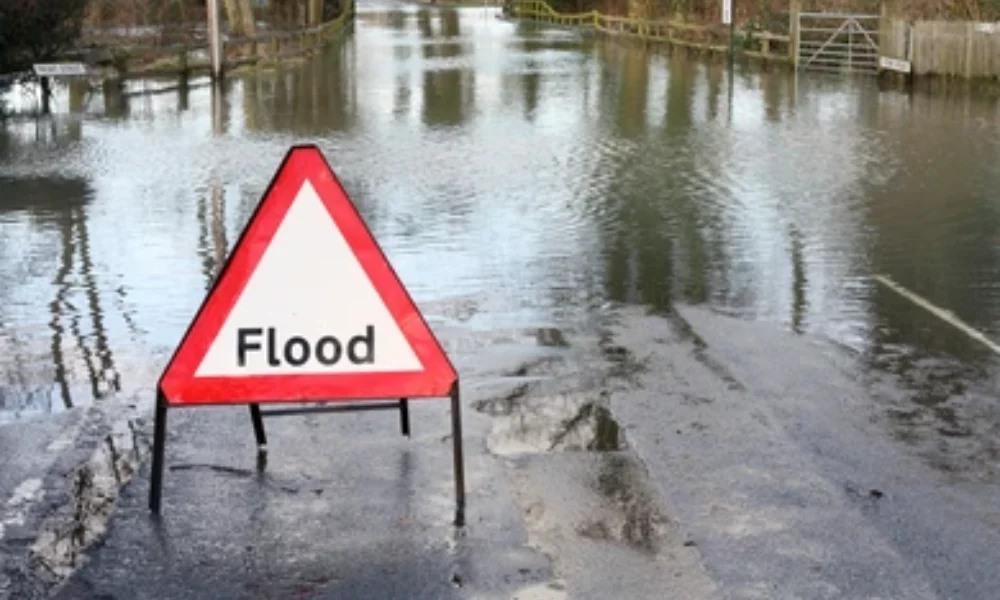
A recent analysis by Neptune Flood challenges the common belief among brokers that a calm hurricane season equates to minimal flood risk. The report serves as a critical reminder that data should inform client discussions about flood coverage, especially after the quiet 2025 Atlantic hurricane season.
Remarkably, the 2025 season was notable not just for its tranquility—marking the first year in a decade without a hurricane making landfall in the continental U.S.—but also for the intensity of its storms. The season witnessed three Category 5 hurricanes, tying for the second-most in recorded history, alongside the infamous 2005 season. While only Tropical Storm Chantal made landfall within the U.S., major storms like Erin, Humberto, and Melissa primarily impacted regions offshore or outside the continental U.S.
Despite this calm, a critical insight emerges: just 4% of Americans carry flood insurance nationally. This figure drastically dwindles to about 2% in the counties most severely affected by Hurricane Helene, with some areas in North Carolina, like Buncombe County, dropping below 1%. Neptune’s estimates reveal that Hurricane Helene alone resulted in approximately $20 billion to $30 billion in uninsured flood losses, predominantly impacting inland homeowners who hadn’t considered flood risks.
Implications for Brokers
Brokers working with clients in non-coastal markets ought to recognize that many may be underinsured, presuming flood exposure is irrelevant to them. For almost a decade prior to 2025, U.S. landfalling hurricanes were a regular occurrence, with 25 hurricanes hitting from 2016 to 2024—six of which ranked among the ten costliest in history.
This frequency of storms has heavily burdened the National Flood Insurance Program (NFIP), which has paid a staggering US$36.7 billion on over 586,000 claims from 2015 to 2025, amounting to 40% of all claims in its history. Currently, the NFIP owes $22.525 billion to the U.S. Treasury, close to its borrowing cap of $30.425 billion. The program's authority is set to expire on September 30, 2026, unless Congress intervenes for reauthorization—something that has often been decided last minute.
Brokers with clients relying on NFIP-backed coverage should proactively address this deadline rather than waiting for client inquiries as it looms. Organizations need to be prepared for potential changes in policy availability which could affect renewals.
Market Conditions and Pricing Dynamics
NOAA's latest 2026 forecast reflects a cautious approach, reducing the anticipated range of named storms and hurricanes. Originally projecting 8 to 14 named storms and 3 to 6 hurricanes, the August update revised these estimates down to 7 to 13 named storms, with predictions of only 2 to 6 hurricanes, including 0 to 2 major storms. The probability of a below-normal season has notably spiked from 55% to 75%.
This continued period of relative quiet has significant pricing implications for brokers managing excess and surplus flood or private flood market business. With no major losses impacting the market, Lloyd's has signaled a competitive landscape for catastrophe reinsurance heading into 2026.
Brokers are well-positioned to capitalize on this environment. A softening pricing trend while flood exposure remains constant creates an opportunity to secure favorable terms—such as multi-year rate locks on private flood placements—before market conditions shift back in favor of increased costs.
Understanding Risks Beyond Storm Count
Examining historical cases like Hurricane Sandy—that made landfall as a Category 1 storm yet inflicted $70 billion in damages—underscores that the question isn't merely how many storms may arise, but what could happen if just one significant storm heads for a densely populated area.
A forecast projecting a quieter season doesn't reflect the unpredictability of storm paths. Clients often disengage from flood insurance discussions following a calm year; however, this is precisely the optimal time for brokers to initiate conversations about maintaining adequate coverage, potential reauthorization risks, and benefits available under softening reinsurance terms.
By addressing these considerations proactively, brokers can help clients fortify their protection in the face of uncertain future storm activity.
Discussion
Sign in to join the discussion.