A Delaware court ruled that Zayo's $27 million settlement claim was invalidated by a bump-up exclusion in its insurance policy, affecting future coverage interpretations.
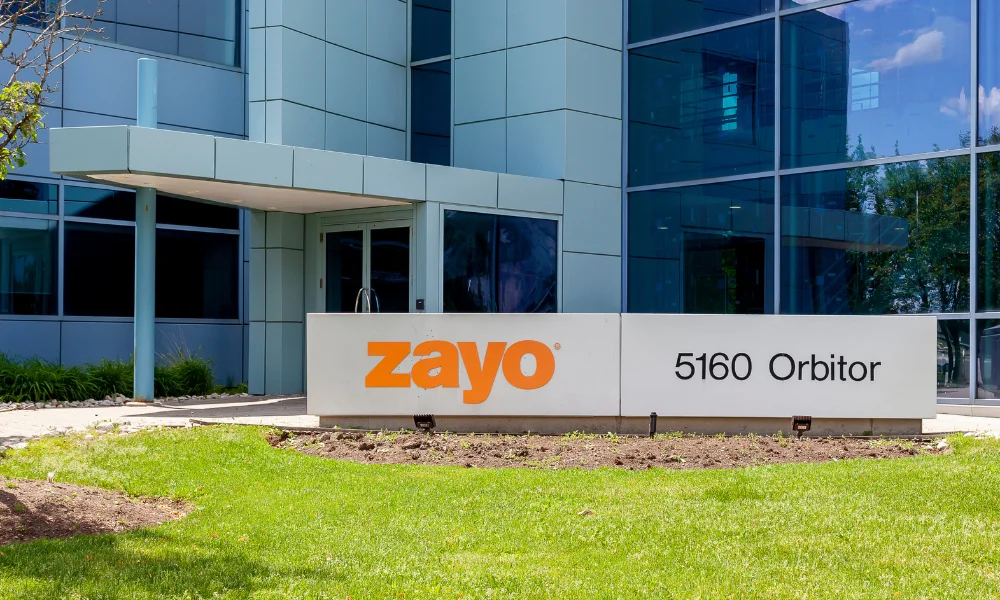
A recent Delaware ruling on August 5, 2026, significantly impacts Zayo Group's claim for a $27 million settlement. The Superior Court determined that a bump-up exclusion in Zayo's insurance policy negated coverage for the settlement, resulting in a summary judgment favoring the insurers. This decision is likely to resonate throughout the insurance and corporate legal sectors, particularly regarding how settlement structures can interact with insurance policies.
The Context of Zayo’s Acquisition
This dispute traces back to May 2019, when Zayo, a prominent global provider of communications infrastructure, was acquired by Digital Colony Partners and the EQT Infrastructure IV Fund, collectively known as "Consortium B." Zayo's transition to private ownership was a significant move in the telecommunications sector. The acquisition offered shareholders $35 in cash per share, marking a lucrative exit for many investors. However, the aftermath of such corporate maneuvers often reveals complex layers of fiduciary responsibilities and shareholder rights.
The deal garnered attention not merely for the financial figures involved but also because it highlighted ongoing issues in governance. After the acquisition, former shareholders leveled accusations against Zayo's then-CEO, asserting that he breached fiduciary duties through actions that allegedly dampened the sale price. Purposeful or not, this tension is emblematic of the broader risks that executives face during mergers and acquisitions, where the line between corporate strategy and legal obligations can easily blur.
The Legal Complications
Complications arose when former shareholders accused Zayo's then-CEO of breaching fiduciary duties by actions that allegedly reduced the sale price. Although the Delaware Court of Chancery dismissed most of the allegations, one claim persisted. The court allowed a related allegation to proceed, detailing that the CEO failed to disclose information indicating that Consortium B might have agreed to a higher price per share. What started as a straightforward acquisition morphed into a legal battleground, exposing underlying tensions among stakeholders.
Initially, the allegations posed a significant risk to Zayo, casting a shadow over the deal’s legitimacy. Even though the court's dismissal of most claims suggested a lean towards Zayo’s defense, the case highlighted the potential pitfalls of deal-making. A settlement was eventually reached, totaling $27,125,000—a figure that, while substantial, reflected the ongoing liability concerns surrounding executives and their fiduciary responsibilities.
The Role of Insurance and Exclusions
After the settlement, Zayo sought compensation from its insurers, including the primary carrier, National Union Fire Insurance Company of Pittsburgh, PA, alongside ACE American and Arch. However, these insurers rejected the claim, citing the bump-up exclusion, which disallows coverage for amounts pertaining to "any judgment or settlement representing the amount by which such price or consideration is effectively increased." This legalese became the crux of a complex insurance dispute.
The ruling confirmed that the bump-up exclusion applied. The court interpreted the settlement as a direct increase in the purchase price per share, rather than simply a mechanism to avoid litigation. In doing so, the court clarified how nuanced legal definitions can shape real financial outcomes. Settlement payouts here became tangled with stockholder claims, effectively treated as a price increase—approximately 12 cents per share—to the original deal. That might not sound like a lot in the grand scheme, but in the context of shareholder economics, it carries weight.
Implications for Future Settlements and Legal Strategies
This case serves as a pivotal reminder of how the specifics of settlement mechanics—the distribution of payments and the eligibility criteria—can trigger exclusions such as the bump-up clause in insurance policies. If you're working in this space, it’s vital to recognize that the language in insurance contracts matters deeply. Insurers often craft policies with exclusions that can negate coverage unexpectedly, and understanding these subtleties can save companies from costly burdens down the line.
The implications reach far beyond Zayo and its insurers. Corporate boards and C-suite execs might think twice about how settlements are structured, given the potential for financial fallout, highlighting a need for comprehensive risk assessments when negotiating and securing liability insurance. (And this is the part most people overlook.) The clarity from this Delaware ruling serves as a cautionary tale—companies can find themselves in precarious situations if they don’t fully account for the intricate tapestry of insurance policies and corporate law.
Looking Forward: Strategic Lessons for Corporations
As this legal saga unfolds, several key lessons emerge for corporations navigating similar waters. The Delaware ruling signifies that merely understanding the surface mechanics of a deal isn't sufficient—corporate leaders must grasp the finer details that can have profound financial repercussions.
Companies should prioritize legal counsel experienced in mergers and acquisitions when formulating insurance agreements. These professionals are crucial in deciphering the implications of policy language, especially concerning exclusions that could jeopardize coverage during disputes. The need for precision in how financial claims are articulated cannot be overstated. Missteps in this area could lead a company down an expensive litigation path, as seen with Zayo.
In summary, Zayo Group's situation reflects broader themes in corporate governance and risk management. The clarity provided by the Delaware court reinforces how critical it is for corporations to navigate both legal frameworks and insurance patent clauses effectively. Expect to see more discussions around the interpretation of similar exclusions as companies gain insights from cases like this, reaffirming the need for vigilance in the increasingly interconnected realms of business and law.
Discussion
Sign in to join the discussion.