Samoa's fintech evolution is rooted in remittances from abroad, leveraging mobile technology and payment infrastructure to enhance financial access.
Remittances as the Cornerstone of Samoa's Fintech Evolution
In Samoa, a significant portion of the economy relies on remittances sent by individuals abroad, often helping families cover essentials like electricity, food, and education. This financial connection underscores a unique narrative in the island nation where traditional banking solutions have often fallen short. With over 225,000 residents, Samoa's economic well-being is closely tied to its diaspora, with substantial remittances flowing in from New Zealand, Australia, and the United States.
The Need for Digital Finance
Historically, receiving remittances relied heavily on both travel and cash-based transfer methods, which are fraught with fees and logistical challenges. However, the rise of digital finance presents an opportunity to streamline this process significantly. Innovations such as mobile wallets, rapid interbank transfers, and direct remittances to digital accounts stand to reshape financial interactions among Samoan communities.
The challenge, however, extends beyond merely facilitating transactions; it lies in fostering a consistently utilized financial ecosystem. The goal is to transition from sporadic use of digital finance during remittance receipts to a habitual adoption of these services for everyday financial needs.
A Geography-Driven Financial System
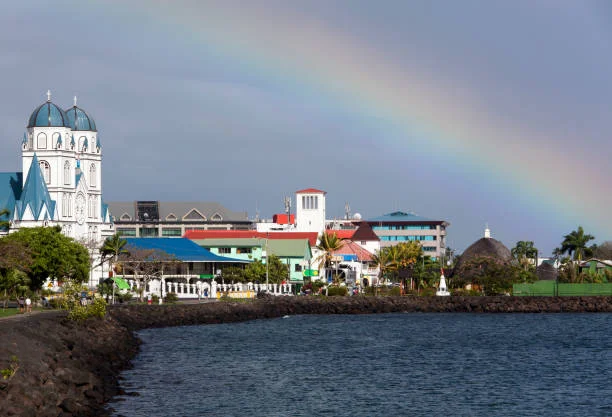
Geographically, Samoa's population is spread across multiple islands, complicating the accessibility of traditional banking services. The capital, Apia, serves as the economic hub with several banks, including ANZ Bank Samoa and the National Bank of Samoa, but challenges remain for individuals living in more remote areas. Transportation costs and the sheer distance present barriers to establishing a network of branches or cash distribution points in less populated locales.
According to the International Monetary Fund, while the outlook for Samoa's economy shows improvement as tourism rebounds, it continues to be susceptible to external shocks and environmental challenges. Digital finance, while not a cure-all, could enhance local connectivity and reduce transaction costs.
Remittances as a Vital Economic Engine
Remittances are not simply a lifeline of foreign capital; they form part of the broader economic framework essential to education, home improvement, and community responsibilities. Currently, around 80% of remittances are still processed through established money transfer operators, primarily due to their speed and reliability. Reports indicate a growing need to bolster digital payment options, especially as traditional banking relationships face pressures.
Reducing transfer fees is particularly crucial. Lower costs allow families to retain more funds, which can then re-enter the local economy. Additionally, advancing digital wallets can eliminate the need for recipients to travel to agents, ultimately simplifying the entire process of receiving and utilizing funds.
Telecommunications Companies as Fintech Leaders
In this unique financial landscape, it’s noteworthy that some of the most impactful fintech solutions in Samoa come from telecom providers rather than traditional banks. M-Tala, a platform operated by Vodafone Samoa, exemplifies this shift, enabling individuals to transfer money, pay utility bills, and receive international remittances straight into their mobile wallets.
This service is designed to integrate with various international money transfer companies, streamlining the remittance process. Similarly, MyCash, from Digicel Samoa, offers diverse mobile payment solutions and has expanded its capabilities through partnerships aimed at enhancing remittance access. These offerings illustrate how telecom networks have effectively bridged longstanding gaps in financial services.
Challenges in Regular Usage of Digital Payments
Despite the availability of mobile money services, transitioning to a cashless economy isn’t a foregone conclusion. Reports from the Central Bank of Samoa indicate that while enrollment in mobile payment systems is on the rise, the rate of active usage tells a different story. A decline in the number of active agents also suggests that constructing a sustainable digital payment ecosystem requires more than just the ability to open a digital wallet.
In order to foster ongoing engagement, consumers need a robust infrastructure where merchants accept digital payments, reliable avenues for depositing and withdrawing cash exist, and transparency around fees is maintained. There’s a growing recognition among stakeholders, reflected in Samoa’s National Financial Inclusion Strategy, that expanding digital financial services and ensuring financial literacy among the populace are critical to overcoming these hurdles.
Enhancing Payment Infrastructure
A key to Samoa's fintech advancements is its emphasis on modernizing payment infrastructure rather than just focusing on consumer-facing applications. The Samoa Automated Transfer System (SATS) aims to enhance domestic payment processing efficiency and enable real-time settlements across financial institutions. This foundational system is vital; efficient transaction methods ensure fintech applications can scale and interconnect effectively.
Efforts from the Central Bank to encourage financial innovation through regulatory frameworks mark a shift towards a more supportive environment for fintech development. Initiatives such as the introduction of new technologies into a regulatory sandbox for testing signal a serious commitment to stimulating growth within the financial sector.
Future Prospects for Fintech in Samoa
The success of Samoa's fintech transformation won’t hinge on the development of numerous competing firms; rather, it will depend on a select few reliable services that address the nation’s most pressing financial challenges. By focusing on strategies to decrease remittance costs, broaden financial access, improve interoperability, and progressively reduce cash dependency, Samoa can create a resilient and unified financial landscape.
As foundational services like M-Tala and MyCash gain traction, coupled with supporting infrastructure and regulatory advancements, the island nation stands poised not just for increased financial access but for a more integrated economy. Ultimately, the measure of fintech success in Samoa lies in its ability to enhance the financial lives of its citizens, ensuring that a greater share of incoming remittances can positively impact local communities.
Discussion
Sign in to join the discussion.