
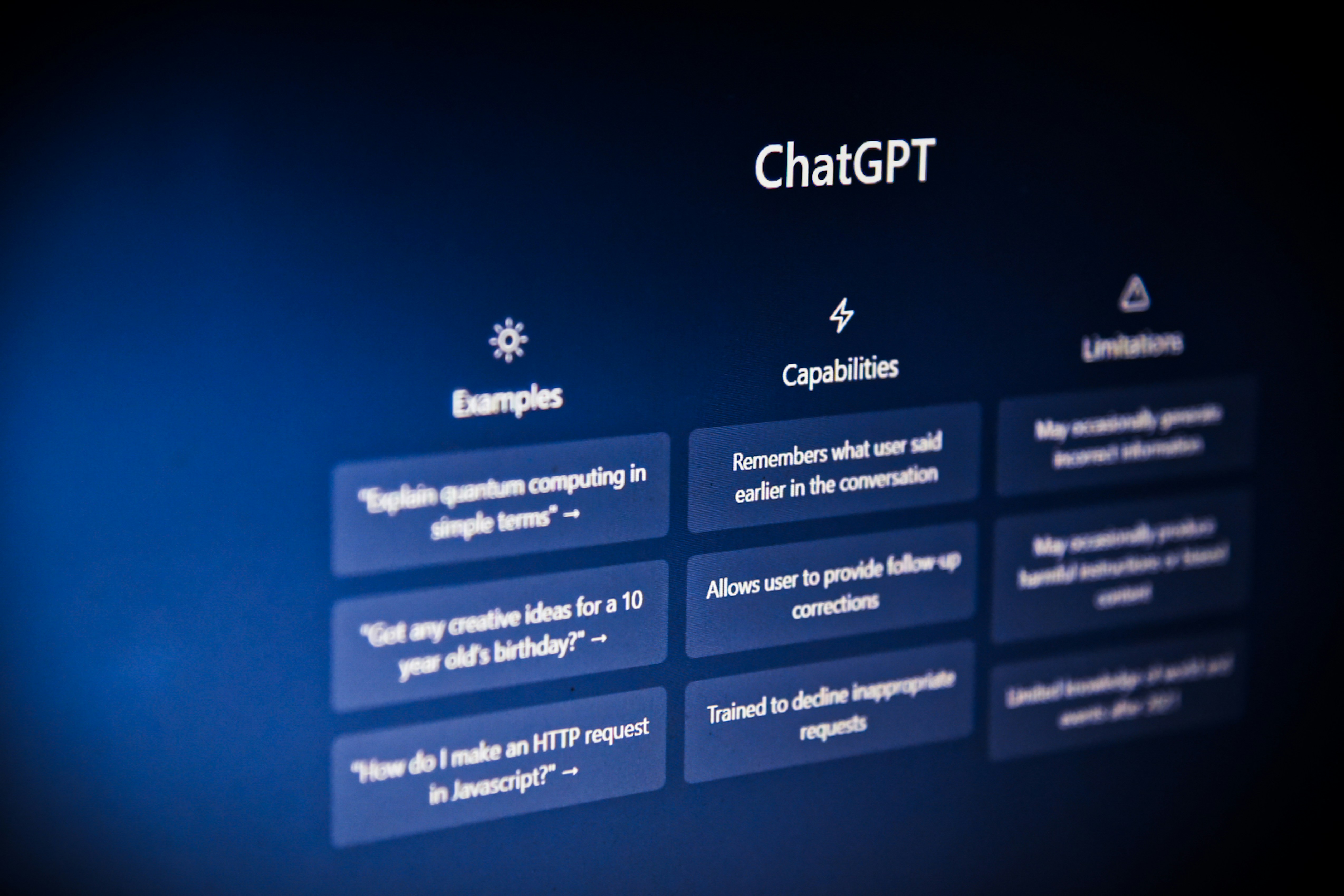




The advent of generative AI is transforming the accounting profession from a theoretical buzzword into a tangible asset. No longer just an idea for the future, AI tools are facilitating more efficient workflows for CPAs, bookkeepers, and tax professionals alike. From streamlining data entry to enhancing error-checking while freeing up specialists for strategic advising, the potential is enormous for firms adopting these technologies, particularly those reliant on cloud-based platforms.
1. Streamlining Data-Heavy Tasks
Much of an accountant's time is still consumed by mundane, repetitive chores, such as entering data and reconciling accounts. Generative AI can significantly lighten this workload:
- Automatically categorize expenses and recommend general ledger codes based on previous transactions.
- Summarize financial statements and invoices, highlighting discrepancies for further scrutiny.
- Draft reconciliation notes and explanations for discrepancies that arise during the month-end close.
Research indicates that accountants leveraging AI tools can divert about 8–10% of their hours from data entry toward more strategic tasks like client interactions and quality control. For smaller firms, this translates into significant additional hours per week—time that can be redirected to tax consultation, advisory roles, or expanding client bases.
2. Enhanced Reporting and Client Engagement
Generative AI shines in transforming structured data into coherent reports. Financial teams are capitalizing on AI to:
- Create initial drafts of management reports, commentary for boards, and summaries of key performance indicators.
- Draft clear client updates on profit and loss fluctuations, cash flow patterns, and budget variances.
- Prepare customized emails and engagement letters tailored to individual client situations.
An example illustrates this effectiveness: a mid-sized firm reduced their monthly board commentary preparation from several days to under 24 hours by utilizing AI to create initial drafts from Excel data. The result is faster responses and more unified messaging, while humans still retain control over the final edits for quality assurance.
3. Enhanced Tax Research and Advisory Services
In tax matters, generative AI proves invaluable as a research assistant:
- Addressing complex tax inquiries using carefully curated, current content.
- Summarizing new regulations and updates in layman's terms for better understanding.
- Assisting in the creation of scenario analyses to illustrate the tax implications of various client choices.
This tool doesn't replace a CPA's judgment; rather, it expedites research processes and helps junior staff produce higher-quality output in shorter timeframes.
4. Strengthening Audit and Review Procedures
During audits, AI can:
- Analyze extensive transaction datasets to spot anomalies and potential fraudulent activity.
- Summarize contracts and agreements to highlight essential details.
- Prepare audit-ready documentation based on templates from previous files.
This approach minimizes the need for manual checks and allows auditors to focus on higher-risk transactions.
5. Facilitating Cloud-Based Enterprise Workflows
The advantages of AI are amplified when integrated into a cloud-first infrastructure:
- Accessing integrated QuickBooks and tax applications hosted in secure, always-available environments.
- Combining centralized data with proper security controls for seamless AI access.
- Empowering remote teams to collaborate effectively on shared AI-generated documents.
For firms that have moved their QuickBooks Desktop, Drake, Lacerte, and UltraTax operations to the cloud, generative AI acts as a valuable addition to their existing toolset, allowing for scalability without necessitating a proportional increase in staff.
The Conclusion
Generative AI won’t replace human accountants, but those who integrate this technology into their practices will gain a competitive advantage. The most significant productivity improvements stem from:
- Allowing AI to manage standard, rule-based tasks like data entry and initial reports.
- Employing human expertise for oversight and client advice.
- Integrating AI into cloud-hosted QuickBooks and tax processes, so that benefits are distributed across the team.
Firms that begin utilizing these technologies for reporting, research, and reconciliation now will be better positioned to handle the upcoming busy season with increased capabilities, clearer insights, and a stronger value proposition for their clients.
====
Jamil Akhtar serves as the Digital Marketing Manager at Sagenext Infotech, which provides comprehensive cloud hosting solutions for U.S. tax and accounting professionals. He focuses on creating digital strategies tailored for CPA firms, specializing in tax workflows, QuickBooks hosting, and cloud infrastructure for various professional applications.



Discussion
Sign in to join the discussion.