KPMG Appoints Jason LaRue as Vice Chair of Talent and Culture Amid Market Challenges
Published Aug 21, 2026Views 989By Jason Bramwell
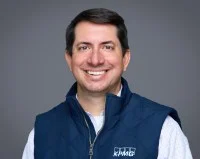
Jason LaRue takes over as KPMG's vice chair of talent and culture, focusing on workforce management in a competitive market landscape.
Leadership Shift at KPMG: New Appointment of Jason LaRue
KPMG US has appointed Jason LaRue as its new vice chair of talent and culture, taking over from Sandy Torchia, who will retire at the end of September. This transition is noteworthy, as LaRue's extensive background with the firm positions him ideally to lead a critical area of its operations. He is no stranger to KPMG, having spent two decades within its ranks where he previously held the national managing partner role for talent and culture. LaRue’s deep familiarity with KPMG’s internal workings gives him an edge in addressing ongoing and emerging challenges within the firm.
The Importance of Talent and Culture
LaRue will be tasked with steering the firm’s talent and culture initiatives, overseeing vital human resources functions such as workforce planning, recruitment, and talent management. Given the complexities of the current market, his leadership will be pivotal for KPMG’s ability to retain and cultivate talent effectively.
A glance at the broader market context reveals that many organizations struggle with similar challenges, particularly in fields demanding specialized knowledge. High employee turnover rates have been common post-pandemic, which means KPMG will need to not only retain existing talent but also attract new professionals in an increasingly competitive labor market.
And here's the thing: the firm's ability to stay relevant hinges on its workforce. It’s not just about filling positions; it’s about finding individuals who align with KPMG's goals. LaRue's role isn't just a human resources gig; it’s at the heart of the company's future strategy.
A Visionary Leadership Style
In a LinkedIn post from August 18, Tim Walsh, KPMG US's chair and CEO, praised LaRue for his deep understanding of the firm and its people, emphasizing his strategic vision in driving talent transformation. Walsh's assertion that LaRue brings "unrivaled knowledge" to the role underscores the significance of this leadership change, especially as the firm seeks to navigate an increasingly competitive landscape in talent acquisition and management.
While Walsh's praise is emphatic, it prompts some skepticism. After all, it’s easy for CEOs to champion their successors, but the realities on the ground often include friction and resistance to change. How LaRue enacts his vision amid potential internal challenges will be an essential factor to watch.
Reflecting on Sandy Torchia's Legacy
To shed light on Torchia's impressive tenure, she has been with KPMG for nearly 30 years and has held various leadership roles, notably as the national managing partner for the Advisory practice. Her contributions include driving growth, fostering innovation, and promoting an inclusive corporate culture. Walsh expressed gratitude for her exceptional service, marking a significant era in KPMG’s evolution.
Torchia’s long-standing presence highlights the importance of succession planning in organizations. Her leadership helped lay a foundation that LaRue will now need to build upon while adapting to the continuously shifting business dynamics. We often take lengthy tenures for granted, but such stability can create an ingrained culture that resists rapid shifts.
That said, transitioning into new management can also be invigorating; it's an opportunity for fresh perspectives that may challenge the status quo. LaRue will need to strike a delicate balance between respecting his predecessor's legacy and bringing his own approach to leadership.
Community Engagement and Corporate Responsibility
LaRue is also committed to community service, serving on the board of Blessings in a Backpack and advising Fairfield University’s arts and sciences college. This highlights a multifaceted approach to leadership that goes beyond corporate duties. Many firms today are observing a significant shift towards corporate social responsibility, where leaders are expected to engage more actively with their communities.
This involvement adds an interesting layer to LaRue's leadership style and the firm itself. If you’re working in this space, you might recognize that while monetary success is vital, the increasing pressure on companies to contribute positively to society cannot be ignored. LaRue’s role could set the tone for KPMG’s external relations in addition to its internal culture, signaling to clients and stakeholders that the firm values holistic leadership.
Implications for KPMG and the Industry
This leadership change at KPMG isn't just a routine appointment; it reflects the firm's strategic focus on enhancing its organizational culture while also addressing the broader challenges posed by a dynamic business environment. LaRue's role carries heavy implications for KPMG's operational effectiveness in a labor market that’s fraught with uncertainty and evolving demands.
What this means for you, especially if you’re studying corporate strategies or actively engaged in the consulting services sector, is that KPMG's approach under LaRue will likely serve as a case study in talent management practices. Organizational culture is no longer just a buzzword; it’s a critical determinant of a company's ongoing viability.
If LaRue can successfully implement initiatives that resonate with employees and streamline talent acquisition, KPMG may position itself as a model for how firms can overcome challenges in an ever-shifting talent marketplace.
Ultimately, it'll be important to monitor LaRue's progress closely. The firm’s adaptation—and its potential success—could provide insights applicable across industries, especially those grappling with similar issues around workforce management and corporate identity in the face of change. With large firms like KPMG at the helm, how they navigate this transition could set new standards within the consulting space.
Discussion
Sign in to join the discussion.