Carr, Riggs & Ingram Strengthens SEC Services with Timothy P. Sikes’ Strategic Appointment
Published Sep 03, 2026Views 731By isaacobannon
Timothy P. Sikes joins Carr, Riggs & Ingram as Director of SEC Services, enhancing firm capabilities in navigating evolving regulatory standards.
Strategic Leadership Shift at Carr, Riggs & Ingram
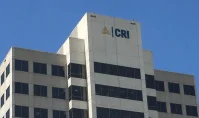
Carr, Riggs & Ingram (CRI), a prominent name in the accounting and advisory sector, has appointed Timothy P. Sikes as its new Director of SEC Services. This isn't just another executive move; Sikes, with over 30 years of experience in the auditing arena, is poised to significantly enhance CRI's commitment to serving publicly traded entities. His role comes at a critical juncture, as the firm aims to bolster its assurance quality and expand its foothold in the SEC and capital markets advisory landscape.
Sikes' extensive background, highlighted by his tenure as Chief of Firm Inspections at the Public Company Accounting Oversight Board (PCAOB), equips him with invaluable insights into audit oversight. During his time at the PCAOB, he oversaw inspections of audits conducted by registered public accounting firms across both domestic and international jurisdictions. This experience not only augments his understanding of compliance expectations but positions him as a key player in reinforcing CRI’s practices in response to evolving regulatory standards.
What does this mean for CRI? Sikes' arrival is more than a staffing adjustment; it’s an intentional strategy to enhance the firm’s capabilities in navigating a complex regulatory landscape. His deep regulatory knowledge will help the firm not just meet current SEC compliance standards but also anticipate future developments. Jon Heath, CRI's President of Operations, articulated this well, noting Sikes' expertise as a strategic investment aimed at fortifying their capital markets group.
Sikes himself acknowledges the rapid shifts within the regulatory environment, which continue to challenge public companies and their auditors. “After years on the regulatory side of the profession, I came to CRI to help shape a practice at a pivotal point,” he stated. His commitment to reinforcing existing relationships and enhancing the firm’s resources showcases CRI’s proactive approach to addressing these complexities. For professionals operating in this space, Sikes’ appointment signals a concerted effort by CRI to adapt and thrive amid heightened scrutiny and evolving market expectations. As the firm gears up to build on its existing expertise, stakeholders will be watching closely to see how these developments unfold.
Looking Ahead: Adapting to Market Realities
The relationship between workforce changes and software costs isn’t as straightforward as you might think. When companies reduce their headcount, it's tempting to assume that software needs and associated costs would also decline. However, that’s rarely the case. What truly drives contract economics are not immediate workforce shifts but rather careful strategic decisions made by buyers about when to renegotiate or cancel contracts.
Matthew Zotto’s insights shed light on this misleading assumption. While the demand for software can dip quickly with a smaller workforce, the economic agreements surrounding those software services often remain static until a decisive action is taken before the next contract renewal deadline. This raises an important question for advisors: when is it time to reassess software needs amidst shifting personnel?
This is more significant than it appears on the surface. Companies that fail to proactively evaluate their software expenditures in light of personnel changes can find themselves locked into costly contracts that no longer reflect their operational needs. If you’re in a role that involves managing budgets and operational resources, staying ahead of these contract timelines is crucial. Ignoring this aspect can lead to financial strain that’s easily avoidable with proper foresight.
The bottom line? As market dynamics evolve, so should your approach to software management. Companies should frequently reassess both their workforce needs and their software contracts, acting decisively when changes occur. Only then can organizations effectively align their costs with their operational realities.
Discussion
Sign in to join the discussion.