Navigating Employee Expectations: The Growing Disconnect in Job Satisfaction and Responsibilities
Published Sep 17, 2026Views 836By isaacobannon
A survey reveals 18% of workers find their roles differ from initial promises, highlighting a need for clearer communication and support in career development.
Job Expectations Are Shifting
A significant portion of the workforce is grappling with mismatched job expectations, signaling potential unrest in employee satisfaction and engagement. According to a recent survey involving over 1,000 U.S. employees, nearly one in five workers—18%, to be precise—report that their current roles diverge markedly from what they were initially promised during the hiring process.
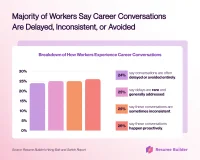
This dissonance isn’t just a minor irritant. It paints a rather troubling picture of how companies communicate roles and responsibilities. Alongside the revelation of changing job descriptions, more than a fifth of respondents (20%) expressed concerns about the clarity of their daily tasks, labeling their roles as unpredictable. Furthermore, the trajectory for career growth seems murky for many, with a staggering 74% mentioning that discussions around their advancement are often inconsistent or postponed until problems arise. Simply put, the feedback loop regarding career progression is not just slow; for a majority, it barely exists.
The Hiring Bait-and-Switch
This mismatch between hiring expectations and actual job responsibilities, often dubbed the "bait-and-switch," is damaging morale and raising questions about employee retention. The Hiring Bait-and-Switch Report, commissioned by ResumeBuilder.com, highlights these disconcerting trends, pointing to a lack of proactive communication as a core issue.
- **Distorted Initial Expectations**: Only 26% of workers feel their roles align perfectly with their expectations. The rest? They either notice significant changes (18%) or find their positions somewhat aligned with numerous deviations (56%).
- **Career Conversations on the Backburner**: Nearly one in four employees report that discussions regarding career paths are frequently delayed or neglected altogether. This lack of direction can stifle ambition and enthusiasm among team members who are uncertain about their future.
And let's not overlook the emotional toll this situation is taking. Approximately 30% of employees feel undervalued based on their contributions, a sentiment that could heighten turnover rates as employees seek more supportive environments.
Understanding the Disconnect
When Stacie Haller, Chief Career Advisor for ResumeBuilder.com, comments on the gravity of this disconnect, she zeroes in on its implications for career trajectories. She emphasizes that workers invest time and considerable thought into accepting job offers, and discrepancies between promises and reality can lead to feelings of betrayal and disappointment.
If you're in a managerial position, this data should serve as a wake-up call. It's essential to ensure transparency in job descriptions and maintain open lines of communication about expectations and progress. Addressing these gaps early can help you retain talent and uplift morale, steering your team toward greater satisfaction and productivity.
For further insights, delve into the complete Hiring Bait-and-Switch Report at [ResumeBuilder.com](https://www.resumebuilder.com/hiring-bait-and-switch/).
The Disconnect in Workplace Culture Adaptation
Let's break down the startling reality facing today's job seekers. A recent survey reveals that an overwhelming 98% of job applicants view the ability to adapt to workplace culture as critical. Yet, there's a notable twist—around half of those surveyed label the experience as "unfair." This divergence raises questions about the evolving dynamics of modern employment.
Understanding the pressure to conform, particularly among younger generations, is crucial. For instance, a significant 80% of Gen Z respondents have altered their personalities to align with workplace expectations, indicating a troubling trend where authenticity takes a backseat. The fact that 75% of these individuals feel their workplace persona is markedly different from their real selves illustrates the extent of this disparity.
Here's the thing: while companies often tout cultural fit as pivotal to their hiring processes, they may inadvertently be fostering environments where individuality is stifled. This contradiction could lead to higher turnover rates and dissatisfaction in the workplace. Employers should be aware that if workers feel compelled to mask their true identities, they might not be fully engaged or productive.
And yet, the factors contributing to this "culture clash" aren't always clear. Is it a lack of support from management, rigid workplace norms, or perhaps a broader societal trend? These uncertainties warrant a closer examination—not just for job seekers but for organizations aiming to cultivate a more inclusive and authentic environment.
If you're in HR or management, consider the implications of these insights. Fostering a culture that welcomes diversity of thought and personality isn't just ethically sound; it’s also strategically smart. As the workforce continues to evolve, businesses that adapt will likely stand out in the crowded job market, drawing in talent who value a workplace where they can truly be themselves.
In conclusion, the significant gap between what job seekers value and their lived experiences in corporate settings is more than just a statistic. It’s a signal for change that should resonate throughout every level of an organization. By embracing authenticity, companies can not only enhance their appeal to potential employees but ultimately secure a more engaged and innovative workforce.
Discussion
Sign in to join the discussion.