New home construction is slowing, with permit issuance down 1.7% year-over-year and 19% below pre-pandemic levels, heightening housing supply concerns.
New Home Construction Trends: A Notable Slowdown
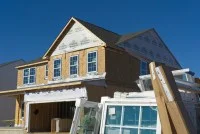
The once-thriving sector of new home construction is showing unmistakable signs of deceleration. According to a recent
Zillow report, the completion of detached single-family homes has declined for the third consecutive year, with 2025 witnessing a downturn in both completions and permitting activities. This decline is concerning, particularly as it threatens to exacerbate the ongoing housing shortage, which is particularly acute amid worsening affordability conditions.
When examining the figures, the numbers paint a troubling picture: from July 2025 to July 2026, residential building permits issued across the U.S. dropped by 1.7%, compared to the previous year. Even more striking is the realization that permit issuance now sits nearly 19% below its pre-pandemic trajectory. This continuous pullback in permitting—44 months and counting—has placed the current rates at their lowest levels of this decade.
Yet, amidst this downturn, there are some positive indicators. Builders are responding to market conditions by accelerating the completion of homes, suggesting efficiencies gained from clearing out pandemic-era backlogs. Interestingly, there has been a shift towards smaller, more affordable homes that align better with current buyer constraints. For example, the median size of newly completed detached houses in 2025 decreased to 2,300 square feet, down from 2,400 square feet in 2019.
However, insights from Kara Ng, a senior economist at Zillow, highlight a cautionary tale: “Builders are responding to a softer market by pulling back, especially in the places they’d been building the most,” she states. This cautious approach is understandable given market pressures, but it raises a significant concern—when conditions improve and buyer interest surges again, the constricted pipeline may result in heightened competition and, consequently, increased prices.
To understand this slowdown better, it's essential to consider where permitting declines are most pronounced. Markets that had booming construction in the past few years, particularly in the Sun Belt, are experiencing steep declines. For instance, Austin has seen a staggering 25.3% fall in permitting, marking it as the city with the highest drop among major markets. San Antonio follows close behind with a 24.1% decrease. Contrarily, growth is visible in coastal areas and the Midwest, where construction had previously stagnated, suggesting potential shifts in regional investment and development trends.
Despite the current downturn, the need for housing remains critical, particularly as the nation grapples with a 4.7 million-unit housing deficit. Builders must adapt not only to the present market dynamics but also to the persistent demand for move-in ready homes. Zillow indicates that such turnkey homes tend to sell for a premium compared to properties needing renovations, underscoring the evolving preferences of today’s homebuyers.
This combination of slowing construction, regional disparities in permitting trends, and changing buyer preferences suggests that the housing market is at a crucial juncture. If you're in the industry, these trends could indicate a period of adjustment and recalibration where future growth hinges on strategic responses to current challenges.
Ramp's New Accounts Receivable Solution: A Potential Shift in Payment Practices
Ramp's recent introduction of its Accounts Receivable product could signal important changes in how businesses handle payments. This offering is designed to streamline the transition from making a sale to receiving payment, a process that can often bog down cash flow. For many companies, the lag between invoicing and collecting can significantly impact liquidity and overall operational efficiency.
What does this mean for businesses? If you're working in a sector where transactions are frequent and cash flow management is critical, this could be more significant than it appears at first glance. Delays in payment processing can hinder growth and lead to missed opportunities, so any tool that promises to expedite this process deserves attention.
However, it's important to assess how effective Ramp's solution will be in practice. The data on user adoption and the tangible impacts on cash flow will only emerge following widespread implementation. Given the importance of this aspect of business finance, early adopters will likely provide valuable insights into its functionality and efficacy.
In a market awash with various financial solutions, Ramp's initiative stands out as a potential game-changer. It could help redefine expectations for payment timelines and customer interactions. The real test will be whether businesses can leverage this tool effectively to enhance their financial agility.
Discussion
Sign in to join the discussion.