A recent derecho has revealed critical deficiencies in flood insurance coverage across four Midwest states, exacerbating financial risks for homeowners and businesses.
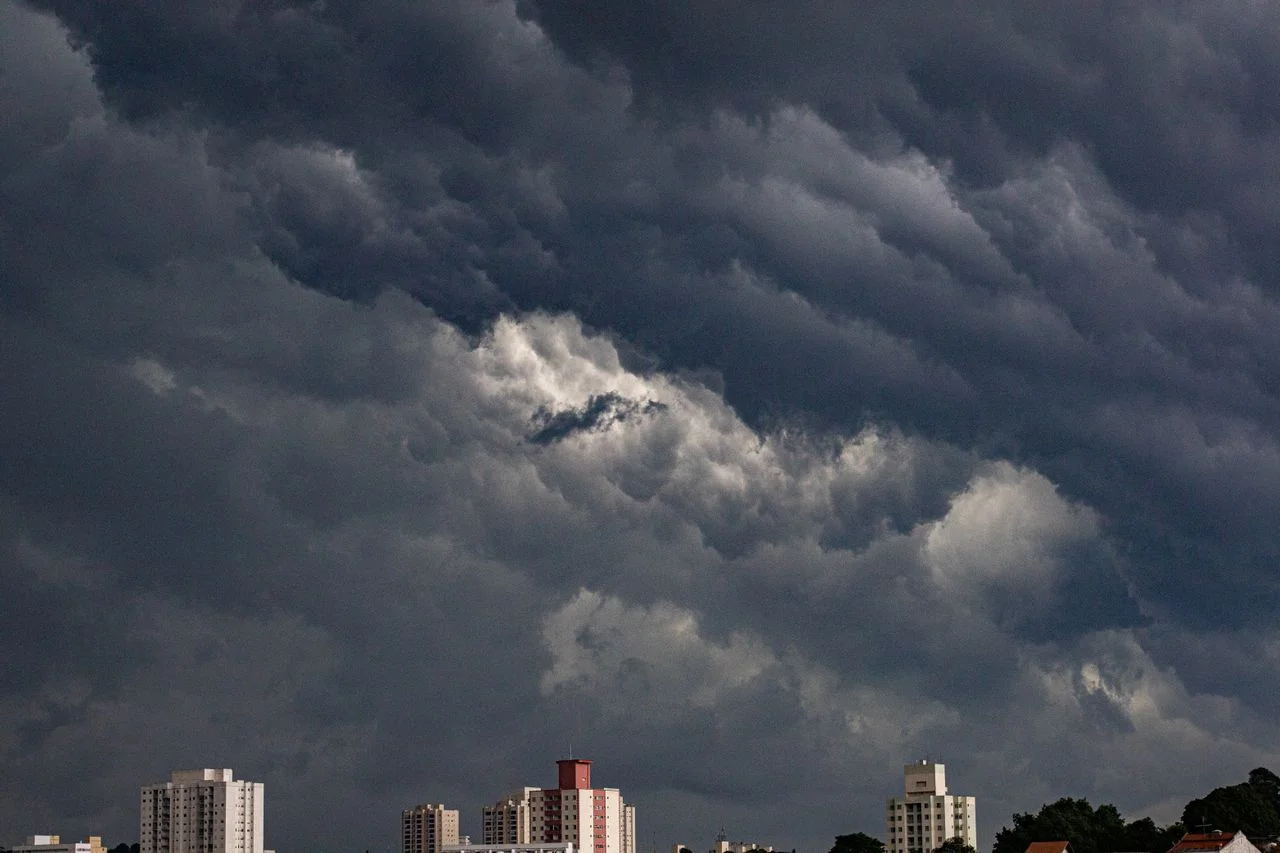
A major derecho impacted the Midwest on August 11, resulting in at least two fatalities and power outages affecting nearly one million customers across Illinois, Indiana, Ohio, and Kentucky. As flood warnings remain in effect, the ramifications of the storm reach far beyond immediate wind damage.
The Flooding Crisis: A Pressing Concern
The real challenge for insurance brokers lies not in the wind-related losses—which are generally covered by standard homeowners' and commercial property policies—but in the flooding that has ensued, which often falls under separate policies that many clients do not possess. Ohio Governor Mike DeWine cautioned that flooding would continue long after the storm cleared, underscoring a systemic issue: most property owners in the affected regions lack the necessary flood coverage. It’s a critical gap, considering that a significant portion of these homeowners may remain unaware of their vulnerability due to a lack of precedent for such floods in their areas.
According to FEMA's National Flood Insurance Program (NFIP), only about 4.5 million Americans were insured as of December 2025, a shocking contrast to the total number of properties at risk. This disparity suggests that many individuals may dismiss the need for flood insurance based solely on their location's historical absence of severe flooding. This misconception is misleading; floods can occur in areas without prior warnings or documentation, leaving unprepared homeowners facing devastating financial losses.
Public Misunderstanding of Flood Risk
A 2023 survey by Munich Re and the Insurance Information Institute (Triple-I) illustrates this disconnect; 64% of homeowners believe their properties are safe from flooding, largely because many communities impacted by this storm are not in officially designated flood hazard areas. For those working in this space, such misconceptions pose significant challenges when trying to educate clients about insurance needs. The reality is that flood risk is not always contingent on government designations. The mandatory purchase requirement for flood insurance does not apply, even as the danger remains palpable.
This discrepancy can be dangerous. In recent years, wider awareness of climate change and irregular weather patterns has become essential; many areas are witnessing floods that were historically uncommon. People often overlook the fact that heavy rainfall can lead to flooding long before it reaches any official thresholds. This is where the potential for loss increases.
The Financial Stakes of Underinsurance
The financial implications of this gap are striking. A Moody's analysis from May 2026 predicted that uninsured residential flood losses could soar beyond $1 trillion under high-severity scenarios. This staggering figure highlights a reality that clients and brokers alike must confront: the consequences of inadequate coverage can be catastrophic. The concentration of risk is no longer limited to coastal areas; inland states like Illinois are also experiencing increased exposure. It’s difficult to ignore the unsettling fact that a Federal Reserve Bank of Philadelphia study estimated that about $24.4 billion in annual damage to U.S. single-family homes from flooding goes uninsured. Even among homeowners considered flood-exposed, around 22% still lack coverage, significantly increasing their financial vulnerability.
Power Outages: A Compounded Risk Factor
The extensive power outages add further complexity, especially for commercial clients. Nearly one million are without power, and sectors reliant on continuous electricity—such as cold storage and food production—are likely to experience losses that standard commercial property insurance may not fully cover. The nuances of coverage related to utility service interruptions and outage duration create a convoluted situation for policyholders trying to understand their financial risks in the wake of such events.
If you're working in this space, it's essential to guide them through the murky waters of their insurance options. Many businesses might assume they’re covered for interruptions, only to discover a lack of specific provisions in their policies. As the interconnected nature of supply chains becomes increasingly evident, especially after significant disruptions like this, the need for clarity in coverage has never been more pressing.
Looking Ahead: The Implications of Continuing Flood Threats
DeWine's forecast about persistent flooding isn't idle speculation; the National Weather Service had already issued a Level 3 flood threat. This warning affects regions from the Ohio Valley through Charleston, West Virginia, and eastern Indianapolis. With additional rainfall of up to six inches expected, the situation could worsen rapidly. While the immediate focus remains on response and recovery, the longer-term implications for the insurance industry should not be underestimated.
Losses in the Midwest have been accumulating, with severe convective storms currently emerging as the predominant source of insured natural catastrophe losses in the U.S., according to Triple-I. These insights are critical for brokers and insurers alike, as they signal a shift in the factors contributing to property losses. A separate severe weather outbreak earlier in July was identified by Aon as potentially among the 10 costliest in U.S. history, estimating insured losses in the low-to-mid single-digit billions. The lack of an official estimate for the recent derecho should concern everyone involved in risk management—a pattern is emerging.
The Rising Cost of Coverage and Future Preparedness
The rising costs of home insurance reflect this trend; Illinois' premiums surged by 48% from 2023 to 2025, mirroring increases in Indiana and Ohio. For brokers dealing with property risks in these areas, discussions surrounding flood coverage are no longer ancillary; they are essential. The understanding of risk exposure in these markets has evolved dramatically, necessitating a proactive approach to flood insurance planning.
The implications extend beyond immediate claims. As homeowners and businesses reassess their coverage options, insurance professionals who can effectively communicate the risks are likely to stand out in a crowded marketplace. Planning for the unexpected should become a priority. Given the changing climate and increasing instances of extreme weather, adapting to the emerging risk landscape is not just wise; it's necessary.
Discussion
Sign in to join the discussion.