The rise of smart glasses is prompting serious liability concerns for various sectors, particularly in managing risks related to misconduct and privacy.
Smart glasses are emerging as a potential source of liability for institutions such as schools and healthcare facilities. Their ability to discreetly record video, audio, and images presents significant challenges regarding supervision and privacy compliance.
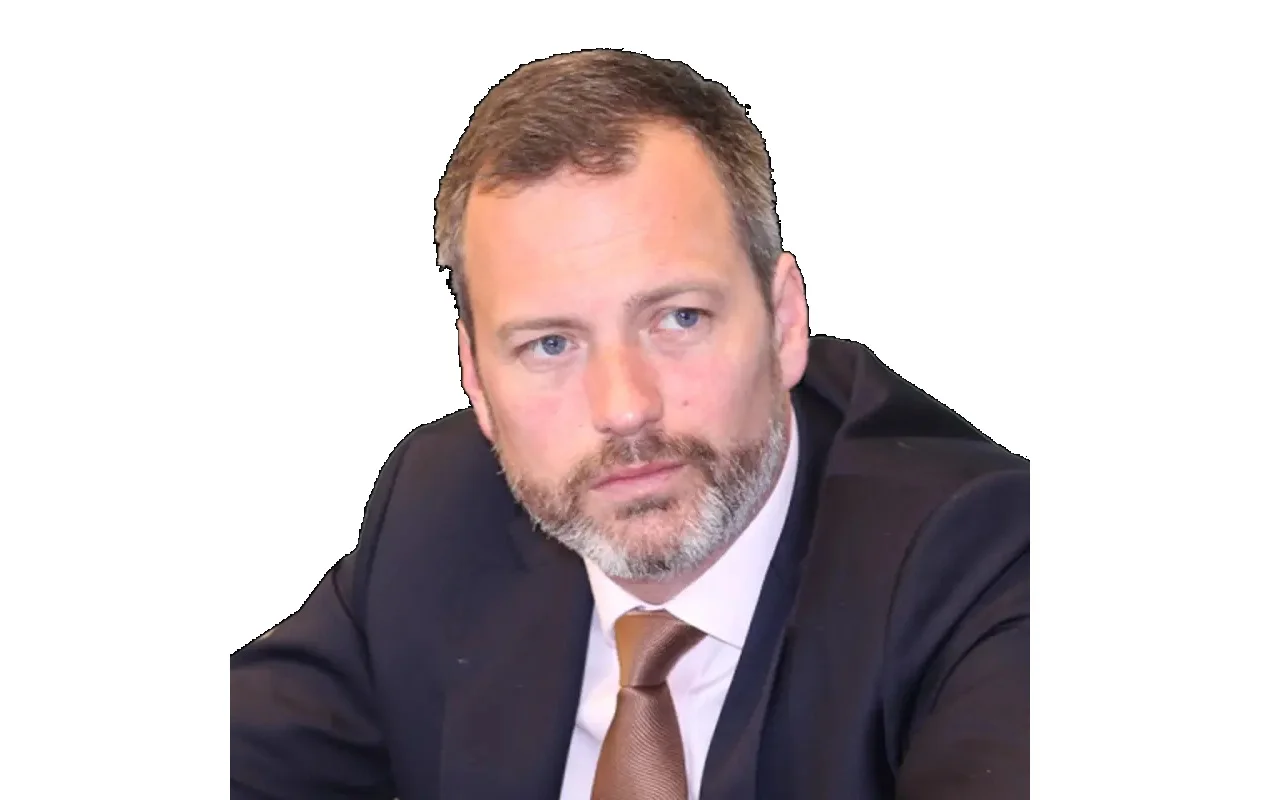
Unlike traditional cameras or smartphones, these devices can easily blend in with everyday eyewear, making it more difficult for organizations to monitor their use. Paul Nash, US and UK Executive Risk Leader of EPL and Safeguard Focus Group, stated, “Smart glasses make it less obvious when images, video, or audio are being captured.” This discreet nature complicates oversight efforts, as individuals can capture content with mere eye contact.
Some smart glasses include a light indicator during recording, yet Nash pointed out that this feature might not always be recognized by bystanders. The risk escalates particularly in settings where vulnerable populations are present, as recordings could unintentionally feature children, employees, or sensitive situations. Once captured, such material could be misused for bullying or unlawful harassment purposes.
The integration of AI technology with smart glasses has compounded these risks. AI can assist in altering and repurposing recorded content, increasing the potential for misconduct. Nash remarked, “I’d also add that smart glasses create risks across all industries. It’s absolutely any industry that works with children or vulnerable adults.”
Concerns have intensified amidst reports of unauthorized recordings circulating on the internet. Recent findings by the Los Angeles Times revealed that certain venues—like businesses, universities, and courts—are imposing restrictions on smart glasses. Users have been documented finding workarounds to deactivate recording indicators. In response, Meta is developing software that aims to disable cameras when tampering is detected.
Education and healthcare stand out as sectors facing particular scrutiny due to the presence of vulnerable individuals. Facilities with high visitor volumes also struggle to enforce appropriate usage policies. Nash also highlighted that incidents aren’t limited to adults capturing footage of minors; peer-on-peer interactions involving students recording one another are becoming more common.
The nature of claims surrounding these incidents will greatly influence insurance coverage outcomes. Allegations related to failure of supervision may trigger sexual molestation liability policies, whereas invasion-of-privacy claims could fall under general liability coverages. However, how the plaintiff's attorney frames the claim will be pivotal, as many general liability policies either exclude or remain silent on molestation incidents.
A nuanced situation arises when it comes to incidents involving employees. Generally, sexual molestation liability policies do not cater to claims between insured individuals. If one employee captures footage of another using smart glasses, the resulting claim might be addressed under general liability or employment practices liability policies. Notably, many EPL policies include invasion of privacy in their definitions of inappropriate conduct, which could open pathways for harassment claims involving these devices.
Insurers are yet to begin incorporating explicit questions regarding smart glasses into application forms, but this trend may evolve as both the technology and claims experience progress. Early discussions with underwriters currently lean toward preventative measures, emphasizing the organization’s policies and their management of smart glasses in their environments.
While some organizations may adopt outright bans on these devices, Nash advocates for awareness and access to specialized risk management support. “We would prefer to underwrite the exposure rather than immediately enforce extensive exclusions,” he noted.
Real-world implications of this technology are becoming clearer. Nash revealed a recent case in the U.S. involving a teacher who recorded students and subsequently manipulated images, leading to an AI-related claim. This situation serves as a cautionary tale about the potential for smart glasses to contribute to increased litigation risks.
Ultimately, the future frequency of sexual misconduct claims tied to smart glasses and AI will hinge on their adoption and usage patterns. For now, the insurance marketplace's response will likely comprise enhanced risk controls and evolving underwriting standards.
Nash concluded with a focus on the importance of proactive risk management, both for insured parties and insurers alike. “Proactive risk management is key for insureds and insurers,” he affirmed, highlighting the desire to manage exposure rather than rely solely on exclusions.
Discussion
Sign in to join the discussion.