Despite recent leadership departures, Lincoln Financial continues to drive growth and strategic transformation, focusing on capital returns and operational momentum.
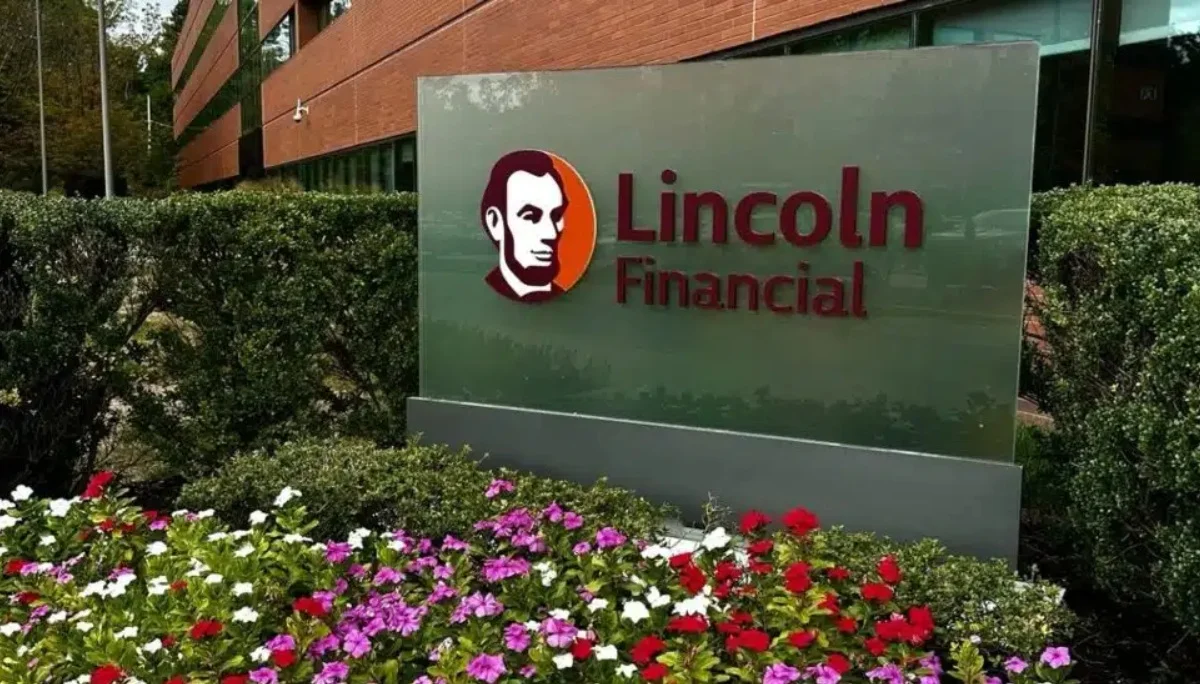
Lincoln Financial is moving forward with its capital return strategy and a multi-year business transformation, even as it faces its third significant senior leadership departure in 2026.
Leadership Transitions: An Ongoing Challenge
Chris Neczypor, who served as executive vice president and chief financial officer, has left the Radnor, Pennsylvania-based firm to pursue opportunities outside the insurance field. With financial leadership playing a pivotal role in any organization, particularly in a sector as complex as insurance, his departure raises immediate concerns. In light of this leadership gap, Lincoln is beginning the search for a new permanent CFO, considering candidates both within the company and from external sources.
Appointing a new CFO typically isn't just about filling a vacancy; it’s about finding someone who can navigate the intricate landscape of financial regulation, accountability, and strategic business practices while keeping a steady hand on the company's financial pulse. The onboarding process for such a critical role can often take months, creating a significant period of uncertainty for employees, stakeholders, and investors alike.
Interim Leadership: Adam Cohen Takes the Helm
Adam Cohen has been appointed as interim CFO effective immediately. Cohen has been with Lincoln since 2022, initially as chief accounting officer before taking on treasury duties in 2024. He brings substantial experience to the role, having previously served as CFO of Archwell and having spent 13 years at EY in roles pertaining to insurance audit and advisory services. His previous experience could help smooth the transition, yet the question remains: can he bring the long-term vision needed for Lincoln's expansive goals?
This transition could be crucial. Cohen's familiarity with Lincoln's operations might offer some continuity, but interim roles often come with limitations. The need for immediate decision-making often conflicts with long-term strategic planning. What's more, uncertainty around leadership can lead to hesitance among employees and partners alike. Those concerns may ripple through Lincoln’s operations while they search for a permanent leader. This is more significant than it looks, especially within a company that’s undertaking a sweeping transformation.
Recent Departures and Leadership Restructuring
This departure marks the third notable exit at Lincoln Financial this year. In June, Brian Kroll, executive vice president and president of retail life and annuity solutions, retired alongside chief risk officer Andy Rallis. Such a significant turnover raises eyebrows; a leadership vacuum at any level can destabilize ongoing projects and shake stakeholder confidence. This reshuffling prompted Lincoln to restructure its life and annuity business leadership, creating specific president roles for each unit that report directly to CEO Ellen Cooper.
With brokers representing Lincoln products paying close attention, the impact of these leadership changes on relationships with distribution partners could be profound. Clients want assurance that their needs won't be compromised amid leadership instability. If you're working in this space, the implications for decision-making processes regarding product pricing, underwriting authority, or distribution agreements are already sending shockwaves through the industry.
Performance Amidst Transition
Despite these leadership changes, Lincoln has reported eight consecutive quarters of growth in adjusted operating income. Life insurance sales surged by 79% year over year in the latest quarter, while group protection achieved a 10.4% operating margin. This performance offers some reassurance regarding the continuity of strategy, as the board has reaffirmed their commitment to capital returns following these senior departures. However, one must wonder: how long can this momentum sustain itself in the face of such leadership turbulence?
Investors usually gauge a company's stability through its financial performance. If Lincoln continues to report strong numbers, they might draw confidence from its ability to weather internal upheavals. But should these departures significantly alter the firm’s strategic direction or execution, the numbers could falter. This potential instability is something to watch closely.
Strategic Moves: Reinsurance and Capital Flexibility
In July, Lincoln Financial completed a significant $5.8 billion reinsurance agreement with Talcott Financial Group regarding legacy life reserves. Management indicated that this deal would enhance enterprise free cash flow and is part of a broader strategy to decrease capital tied to long-duration legacy liabilities. This kind of maneuver is not uncommon in the insurance industry where such reallocations often reflect a company’s desire to optimize cash flow.
Additionally, Lincoln has accelerated its prefunding of preferred stock repurchases and redemptions, providing enhanced flexibility for deploying capital at the holding company level. This flexibility was further evidenced by the board's declaration of a quarterly cash dividend of $0.45 per share, payable on November 2, with shareholders of record as of October 12 eligible for payment. Moving ahead, the question isn't just of liquidity; it’s about how these financial strategies will impact long-term growth.
Future Implications: Navigating Changes Ahead
The company has also announced a plan to reinstate share repurchases in the third quarter of 2026, supported by a $1.5 billion buyback authorization approved in November 2021, which still has approximately $714 million available. While such announcements may sound encouraging at face value, they come at a time when investors are looking for clarity more than ever.
"This phase of our strategy represents an inflection point, with a clear path forward, strong momentum and meaningful opportunity ahead," Cooper stated. However, with numerous leadership changes, stakeholders should remain vigilant. The financial landscape is not just about immediate results; it’s about being prepared for longer-term effects. That said, it's advisable for stakeholders to confirm any potential changes to product pricing or underwriting processes directly with Lincoln representatives as the transformation unfolds.
Understanding the implications of these strategic choices is essential for anyone involved with Lincoln Financial. The next phase is filled with uncertainty but also offers a chance for renewal. For investors and partners alike, the onus is on Lincoln to demonstrate that its foundational strategies can endure the pressures of leadership changes and remain effective in achieving growth and stability.
Discussion
Sign in to join the discussion.