Aflac's US supplemental health sales rose in Q2 2026 but faced margin pressure due to climbing claims costs, reflecting broader trends in employer health benefits.
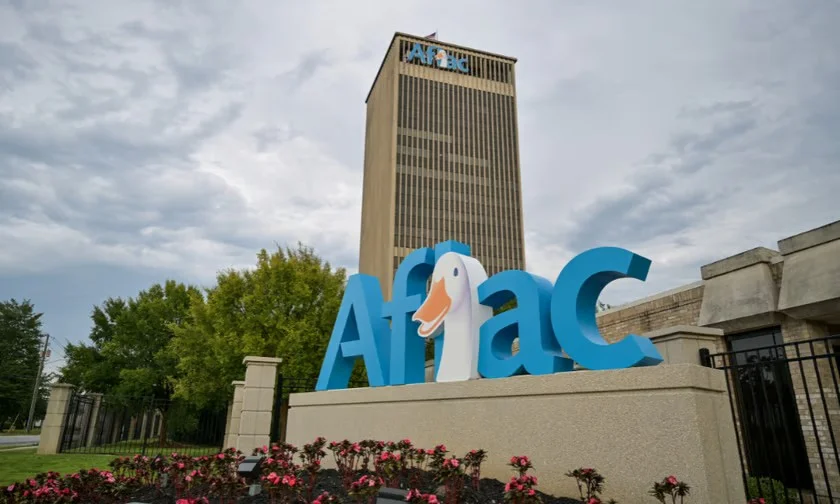
Aflac Incorporated experienced a notable increase in US supplemental health sales during the second quarter of 2026, despite a significant rise in claims costs affecting profitability. The increase in employer health benefit costs, now climbing at their most rapid pace in 15 years, has put considerable pressure on both insurance carriers and the brokers facilitating their offerings.
During the second quarter, Aflac reported a 2.3% year-over-year increase in net earned premiums, totaling $1.5 billion. The new annualized premium sales rose by 2.6%, reaching $349 million, with growth primarily coming from group voluntary benefits and a suite of dental and vision products.
However, this sales growth did not translate to improved profitability margins. Aflac's pretax adjusted earnings from its US segment declined by 4.6% to $370 million. The pretax adjusted profit margin also narrowed, dropping from 22.5% to 20.9%. Meanwhile, the benefits and claims ratio increased by 220 basis points to 49.5% of net earned premiums—a notable rise from 47.3% at the same time last year.
According to Mercer’s 2025 National Survey of Employer Health Plans, health benefit costs are projected to escalate by 6.5% per employee in 2026, marking the steepest increase in over a decade. In an attempt to manage these rising costs, employers are increasingly shifting financial burdens to employees, thereby driving demand for supplemental coverage even as carrier loss ratios are pressured by increased claims utilization.
Understanding this mechanism is essential for brokers in discussions with their clients. As businesses elevate deductibles and transfer costs to employees to control their own health plan expenditures, employees are compelled to seek out supplemental products to bridge the gap. This correlation explains both the uptick in voluntary benefits sales and the concurrent rise in claims. Brokers who proactively address this dynamic can provide clients with valid explanations for increasing renewal prices, rather than awaiting client inquiries that might cast the price hikes in a negative light.
For the first half of 2026, Aflac's net earned premiums rose by 2.9%, reaching $3.1 billion. However, pretax adjusted earnings dipped by 1.7% to $733 million, leading to an additional contraction in the pretax adjusted profit margin from 21.6% to 20.6%.
Aflac's consolidated revenues totaled $4.1 billion during the quarter, reflecting a 1% year-over-year decrease. Adjusted earnings fell by 7.7% to $883 million, down from $957 million in the second quarter of 2025. Currency fluctuations also impacted earnings, as the yen/dollar exchange rate weakened to 159.45 from 144.60 a year earlier, costing the company an additional $0.05 per adjusted earnings share.
Daniel P. Amos, Chairman and CEO, stated, "In the US, we're focused on addressing the evolving needs of employers and their employees via our supplemental health products and related benefits. We're committed to pursuing more profitable growth and tactically deploying our capital."
Adjusted earnings per diluted share rose to $3.50 for the six-month period, representing a 2% increase. Excluding the adverse currency effects of $0.07 per share, adjusted diluted earnings improved by 4.1% to $3.57 on a currency-neutral basis.
Aflac returned $1.3 billion to shareholders in Q2, comprised of $983 million in share repurchases alongside $309 million in dividends. The company’s board has declared a third-quarter dividend of $0.61 per share, scheduled for payment on September 1.
In Japan, Aflac's segment reported pretax adjusted earnings of 118.2 billion yen, marking a 3.4% increase in local currency terms. However, due to yen depreciation, its dollar equivalent fell by 6.2% to $741 million.
The rolling persistence rate for Aflac's US segment showed a slight improvement, rising 20 basis points to 79.4%, a positive indicator for brokers monitoring retention within their voluntary benefits offerings. Additionally, the expense ratio improved modestly to 36.1% of adjusted revenues, down 20 basis points from prior readings.
The trends surrounding Aflac's loss ratios merit close scrutiny during renewal discussions. As employers curtail primary plan benefits and shift costs onto employees, the resultant rise in supplemental claims creates a demand backdrop that brokers, while managing tighter margins, must navigate carefully.
Remarkably, Aflac has retained its position as the leading provider of supplemental health insurance in the US, as noted by LIMRA's 2025 US Supplemental Health Insurance Total Market Report. The firm has also celebrated its 43rd consecutive year of dividend increases in 2025.
Discussion
Sign in to join the discussion.