The UK economy grew 0.4% in Q2, defying expectations, but analysts warn a slowdown looms due to rising costs and external pressures.
The UK economy exhibited a growth of 0.4% between April and June, a trajectory that suggests both businesses and consumers have effectively absorbed the immediate shocks from the ongoing conflict in Iran. This figure aligns with analyst forecasts and was bolstered by a surprising 0.3% uptick in June, surpassing expectations.
However, May's growth figure was revised down from 0.1% growth to flatlining at zero, indicating some volatility beneath the surface. Bloomberg’s survey of economists had anticipated a decline in June’s overall output, projecting a contraction of 0.1%.
Critically, the services sector played a pivotal role in this quarter's performance, contributing a growth of 0.5%. Yet, manufacturing remained stagnant, showing no growth from the previous quarter, while construction managed a modest increase of 0.3%.
The data signifies that despite facing significant economic pressures, likely exacerbated by escalating oil prices resulting from the Iran conflict, the economy has demonstrated unexpected resilience. Yet, analysts have pointed out that temporary boosts—from events like the World Cup and unusually warm weather—might distort the strength of this performance.
George Brown, senior economist at Schroders, acknowledged the UK economy’s resilience but noted concerns that seasonal factors could be artificially inflating activity levels, suggesting that growth may decelerate as the year progresses. He indicated that the momentum seen in the first half of the year could dissipate into 2026.
Adding to this sentiment, Yael Selfin, KPMG’s chief economist, highlighted that the support from recent positive trends is likely ephemeral. She voiced concern that rising prices are beginning to erode households’ purchasing power. “Higher prices and borrowing costs will likely moderate growth in coming months,” she stated.
Furthermore, both Selfin and others have remarked on the role of warmer temperatures in boosting consumer spending, along with the impact of significant sporting events. The Office for National Statistics noted that these factors likely contributed to a spending spike.
Concerns Over Future Economic Direction
As the pace of economic activity appears to be slowing, concerns mount for Prime Minister Andy Burnham and Chancellor John Healey, particularly as they prepare for a challenging Budget presentation. They face warnings that the broader trajectory of the UK economy hinges on geopolitical dynamics, specifically the actions of President Trump and developments regarding Iran and the Strait of Hormuz.
According to insights reported by Bloomberg, Treasury officials cautioned that if the strait remains obstructed throughout the year, growth could fall to a mere 0.3%. The Bank of England has indicated it could respond with interest rate hikes under such circumstances.
Independent assessments have echoed similar concerns regarding a potential recession should issues in the Gulf region persist. Economists at EY warn that prolonged disruptions to oil and gas supplies—crucial to the global market—could spell serious trouble for the UK economy.
Recent data suggests that government spending has played a significant role in cushioning growth, but Chancellor Healey will need to respond to calls from industry leaders for a budget that fosters confidence amid a climate of uncertainty.
The proposed Budget may focus on devolution and the support of regional-led investment as a strategy for growth. However, analysts at Capital Economics caution that limited fiscal space, coupled with existing commitments in defense and energy policy, could necessitate approximately £25 billion in new taxes.
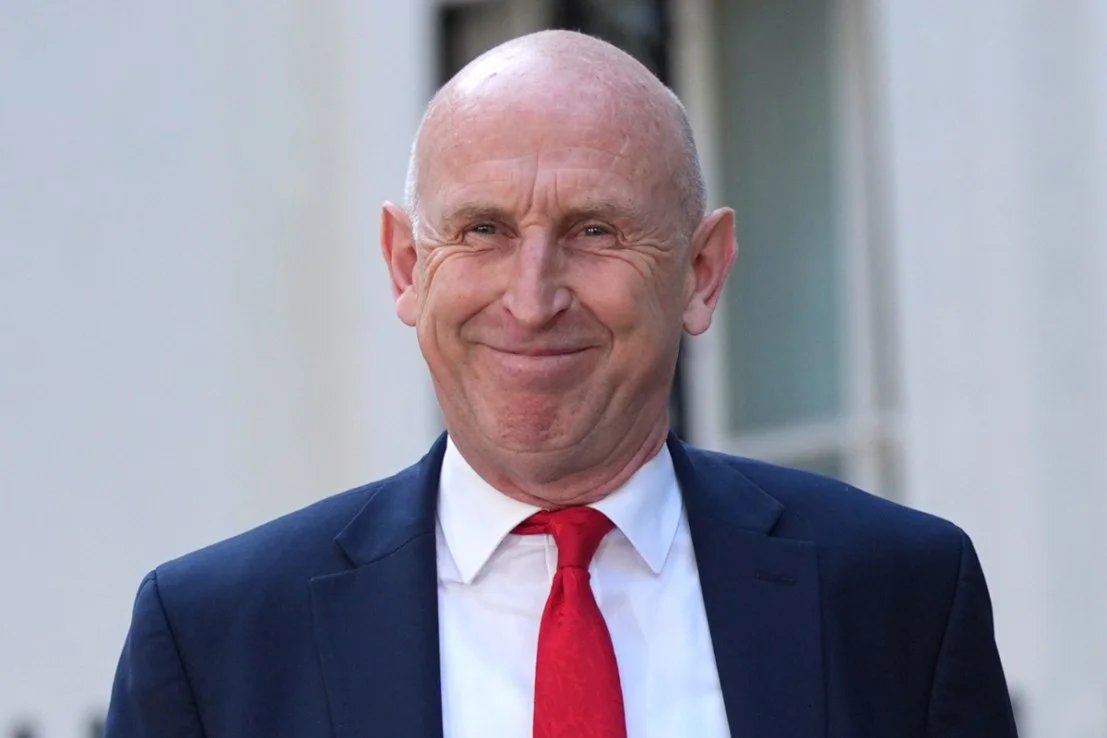
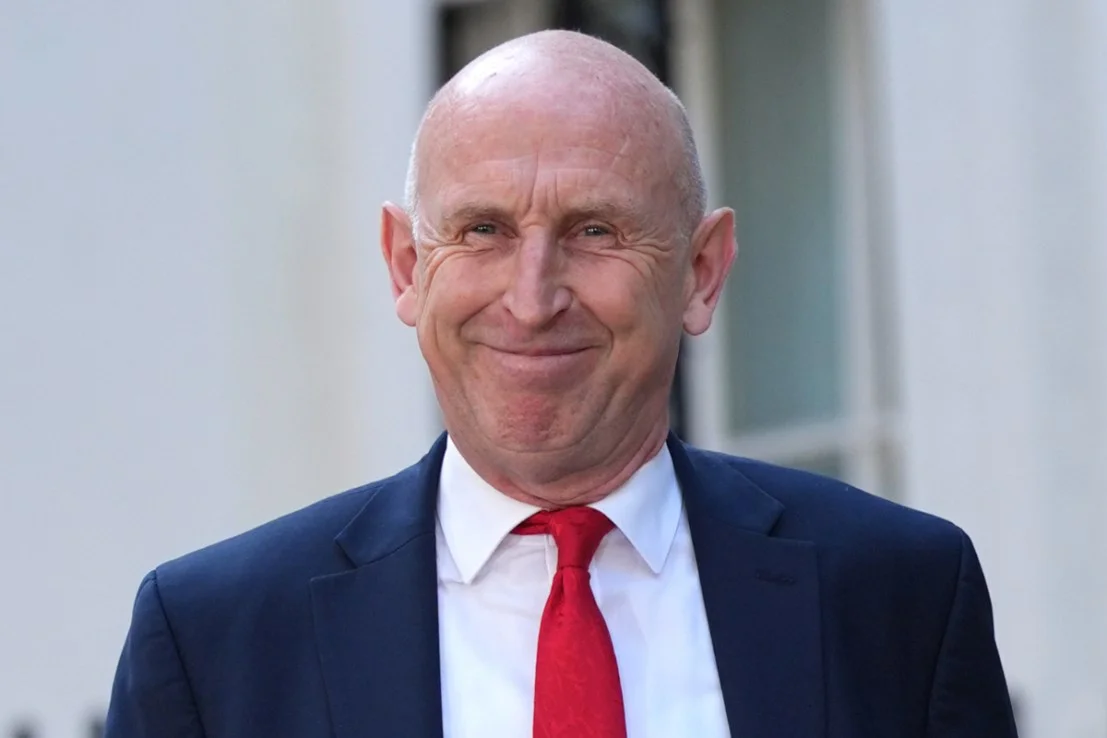
In response to the recent growth figures, Chancellor Healey expressed understanding of public anxiety regarding the conflict’s impact on living costs, which he recognizes have been unacceptably high and burdensome for businesses. He emphasized the proactive stance of the government in prioritizing British interests and enhancing economic resilience.
Healey noted that despite this year’s faster growth compared to other G7 nations, a concerted effort is essential to maintain momentum across all sectors. Conversely, Shadow Chancellor Sir Mel Stride has criticized the government's economic management, asserting it has led to a vulnerable state that cannot withstand external shocks effectively.
Discussion
Sign in to join the discussion.