UK GDP growth forecasts are downgraded to just 0.3% by 2027 due to ongoing tensions in the Strait of Hormuz impacting oil prices and the economy.
Current Oil Prices and Market Dynamics
Oil prices are stabilizing around $88 per barrel this week, as market participants grapple with conflicting reports regarding the Strait of Hormuz, a critical shipping channel. This stabilization can be seen as a response to both supply concerns and geopolitical tensions that have historically influenced oil markets. The Strait of Hormuz, which sees approximately 20% of global oil supply transit, has been a flashpoint for tensions, particularly between the US and Iran. What’s happening there isn’t just a matter of regional politics—it's about global supply chains. A disruption in the Strait can send shockwaves through markets, impacting prices far beyond the immediate vicinity.
Escalating Tensions: A War of Words
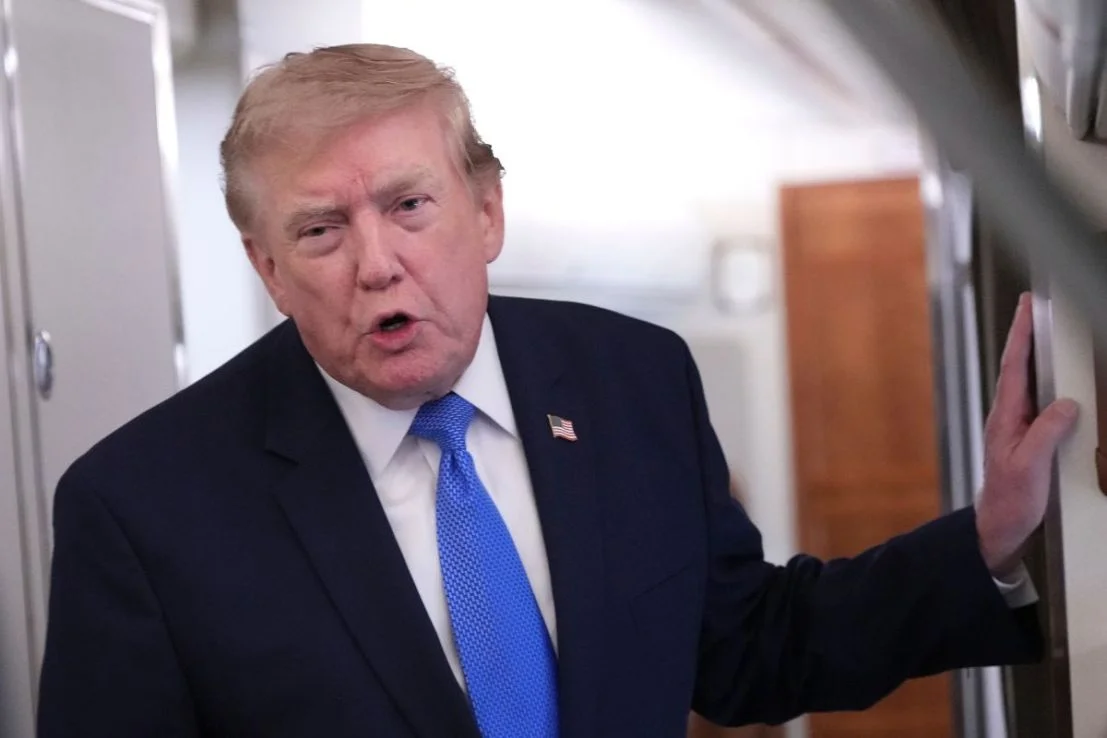
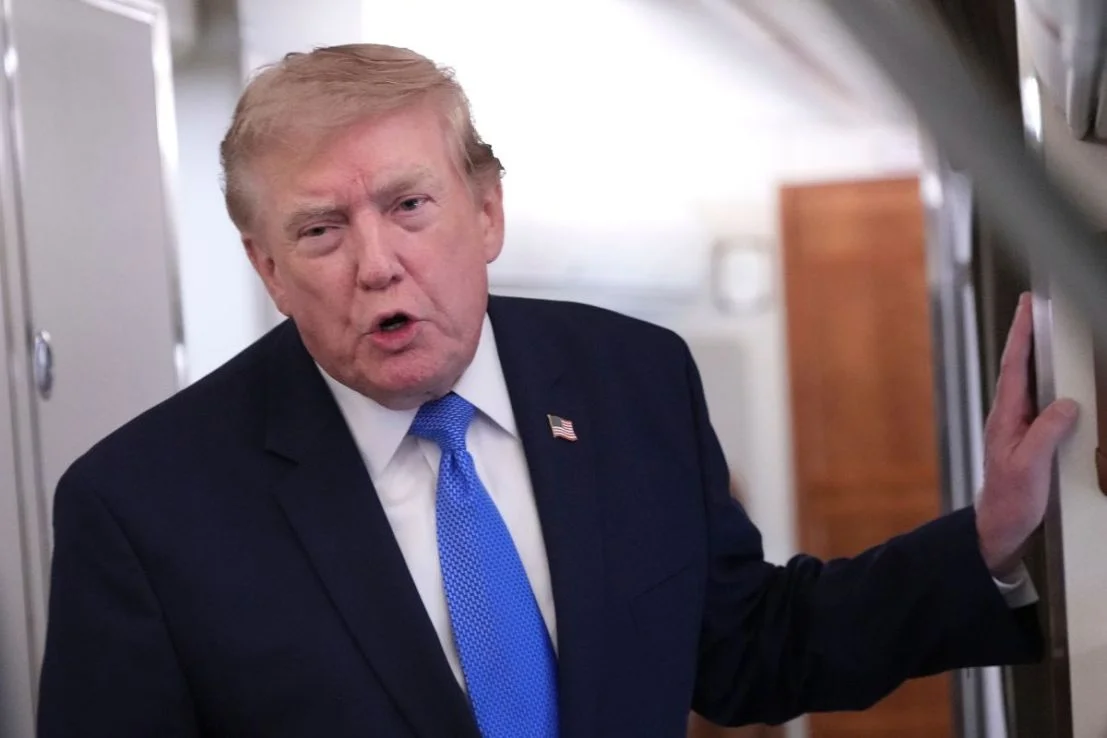
President Trump asserted that the US maintains “total control” over the waterway amidst ongoing diplomatic stalemates. In contrast, Iranian officials promptly denied this, declaring that the Strait remains blocked and won't reopen until their demands are met. This back-and-forth highlights the stakes involved; what may seem like bravado from political leaders often masks underlying anxieties about energy security and national interests. The persistent claim of control from Washington is designed to reassure markets and allies but conflicts directly with Tehran's narrative.
A statement from Iran's Persian Gulf Strait Authority dismissed assertions from American officials about easing the blockade, emphasizing, “The successive claims and tweets by American officials about lifting the blockade of the Strait of Hormuz do not change reality.” Trump's reinforcing statement, “I THINK WE WILL KEEP IT!” adds a layer of tension, possibly suggesting an unwillingness to compromise. The dangers here are manifold; prolonged conflict can result in increased shipping costs, re-routing of oil tankers, and ultimately higher consumer prices around the globe. If you're working in this space, you know the ripple effects could be significant.
Economic Implications for the UK
The implications of these tensions are significant for the UK economy. Treasury officials recently forecast that prolonged unrest linked to the Iran conflict could severely limit UK GDP growth to a mere 0.3% by 2027, should disruptions continue until the end of that year. This assessment contrasts sharply with the 1.1% growth forecast previously provided by the Office for Budget Responsibility (OBR) for 2023. Achieving any growth figures hinges on a stable resolution in the region, leaving many markets vulnerable.
The Treasury report noted that 2027's growth prediction had initially stood at 1.6%, driven by the expectation of improved international conditions. Economic principles suggest that disruption in energy supply lines can lead to cascading effects across different sectors, from transportation to manufacturing. The forecast also indicated that inflation, reflected by the Consumer Price Index (CPI), could peak at 4.3% in early 2024. This will likely ensure that energy prices remain elevated, putting additional strain on consumers already facing rising living costs. What that means for everyday people isn’t just numbers; it translates into tighter budgets and diminished spending power.
The Depletion of Oil Reserves: A Growing Concern
On another front, a recent warning from the global energy watchdog highlighted the rapid depletion of oil reserves, further complicating the market outlook. Similar systems typically show that when reserves deplete faster than new sources can be developed, it creates supply constraints. Often, this sets off bidding wars among nations that need energy, ultimately driving prices higher. The tension in the Strait of Hormuz intensifies this issue, presenting a dual challenge: not just geopolitical strife but also a potential shortage in availability.
What Lies Ahead: An Uncertain Energy Pipeline
As tensions continue to simmer, the outlook remains uncertain. This geopolitical landscape could easily shift, either easing or escalating existing challenges. And yet, several factors could mitigate or exacerbate this situation. New energy agreements, alternative shipping routes, or technological innovations in energy sourcing might provide some relief, but these solutions often take time to implement.
If you're involved in energy markets or adjacent sectors, this scenario should raise red flags. The tug-of-war over the Strait of Hormuz isn't just a headline; it signifies deeper issues in energy security and market conditions that often get overlooked. The rapid depletion of oil reserves also suggests that business leaders need to rethink long-term strategies around energy consumption and sourcing. The complexity of energy markets makes casual predictions perilous.
Here are some key news headlines this morning:
- Burnham’s devolution drive could push 90,000 jobs out of London
- ‘Absurd’: Government seeks quantum tech chief – no experience necessary
- London IPO candidate Utmost sees inflows slide
- Aston Villa's commercial status a tonic for Premier League in big-spending era
- Winkworth delays legal drama for a month after family feud
Discussion
Sign in to join the discussion.