As the UK prepares for the upcoming Budget, sentiment will play a crucial role in shaping tax policy and public response amidst economic challenges.
Predicting the impact of major tax announcements on public sentiment is complex, with no clear link between tax cuts and positive responses or tax increases and negativity, states Tim Sarson.
After a refreshing two-month hiatus, I've returned to a political landscape in the UK that has experienced its own form of transformation. The ruling party appears to have reconfigured itself, emerging with a new Prime Minister and front bench that present a markedly different style.
While the core policies remain unchanged, the presentation feels more vibrant and approachable. This shift in vibe—what some might call sentiment—holds significant implications for the upcoming Budget.
What to Expect from the Budget
The importance of sentiment in politics cannot be overstated. Positive sentiment encourages consumer spending and stable market conditions, creating a beneficial cycle that improves public finances. Conversely, negative sentiment can derail even the smallest policy changes. The Chancellor's role on Budget day is critical; it presents an opportunity to set a tone that resonates well with the public.
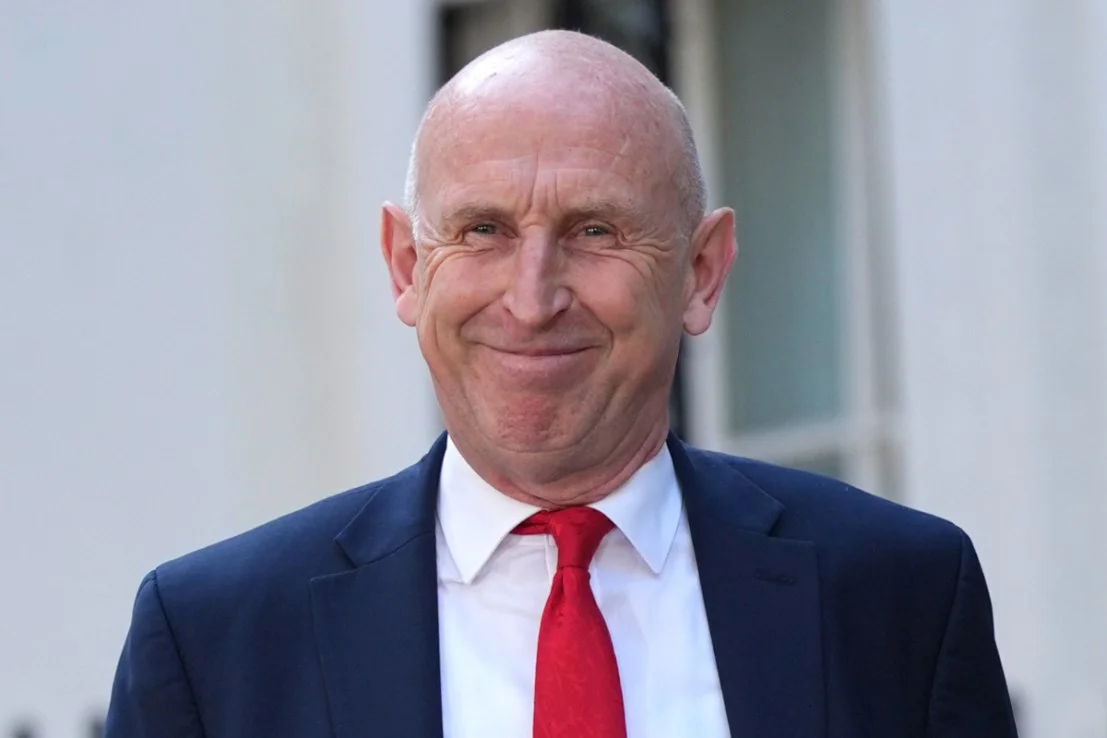
Looking ahead to John Healey’s first Budget, there’s anticipation for a shift toward a more optimistic tone without losing realism. Previous fiscal events have been characterized by difficult choices and hard hits to public sentiment. This time, however, there's a chance for a more upbeat presentation alongside a distillation of tougher details relegated to post-speech documentation.
Strategies for the Chancellor
For a new Chancellor aiming to stabilize finances and reform the tax system, balancing fiscal responsibility and political appeal is essential. Tax changes can either generate political goodwill or financial hardship, and the messaging surrounding these changes is just as significant as the changes themselves.
Recent analysis of tax measures reveals nuanced public responses. Surprisingly, there’s often no clear correlation between tax increases and negative sentiment. Measures like the reform of Agricultural Property Relief from inheritance tax have shown that the public’s reaction can be disproportionate to the fiscal impact. Avoiding broadly unpopular measures can help maintain political capital for more impactful changes.
Certain policies may carry significant financial weight while still being unpopular, such as the previous increase in Employers’ National Insurance Contributions. Others, like freezing income tax thresholds, may not generate immediate backlash but are surfacing as growing concerns among voters, as highlighted by the Prime Minister.
Conversely, measures like non-dom reforms or the oil and gas windfall tax, while drawing ire from specific demographics, have nonetheless gained popularity among the wider public.
What stands out is that taxes affecting a few individuals with large bills often attract more negative coverage than those that apply broadly but levy smaller amounts from many. This lesson could guide Healey's strategic approach.
As Healey approaches the upcoming Budget, the opportunity exists to remove some fiscal roadblocks without severely impacting public finances. Tax increases may be necessary, but they should be handled delicately to avoid backlash.
There are numerous potential reforms that could yield positive economic results while remaining under the radar of public sentiment. For example, eliminating stamp duty on shares could send a positive signal to capital markets without raising alarms among the electorate. Adjusting income thresholds to reduce high marginal tax rates is another measure that, while possibly interpreted as favoring the wealthy, could foster long-term investment.
Looking to the future, Healey could create a budget that introduces a mix of measures—some popular yet low-cost, others potentially contentious but economically sound. This balancing act will require careful consideration of which policies might complicate rather than simplify the existing tax structure.
If Healey can successfully implement a combination of these elements, ideally with an engaging presentation, it could significantly uplift public and market sentiment. The right message, accompanied by thoughtful tax reforms, may ensure that both the public and the markets respond positively post-Budget.
Tim Sarson is head of tax policy at KPMG.
Discussion
Sign in to join the discussion.