Britain's water scarcity challenges necessitate a strategic shift in how we design our communities and manage resources to ensure long-term resilience.
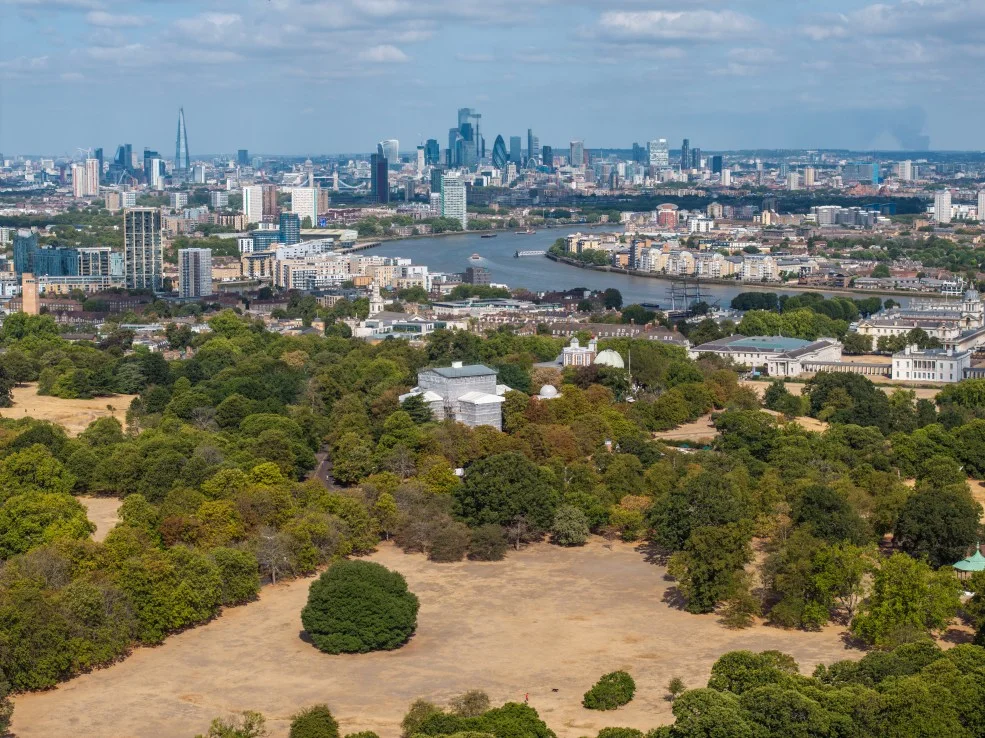
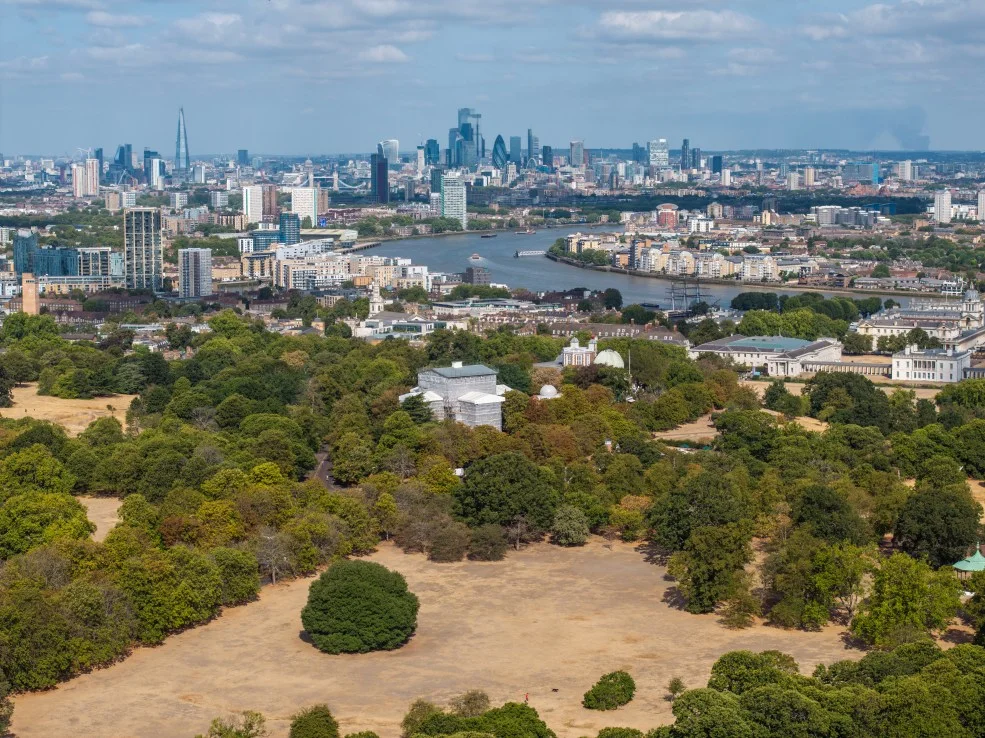
The prevailing belief that Britain will always have sufficient water is increasingly misguided. The recent summer drought presents an opportunity to rethink our approach to water management for a changing climate, suggests Alastair Chisholm.
The Drought Conundrum
Currently, over two-thirds of England is experiencing drought conditions, leading to widespread hosepipe bans and the potential for drought orders if the situation escalates. This is a wake-up call that illustrates a fundamental shift; Britain is transitioning from a historically mild and damp climate to one marked by severe water scarcity—a trend that's projected to worsen in the coming years. The shift challenges the long-held belief that Britain is insulated from water scarcity, similar to opinions held in other historically wet climates, such as Scandinavia or North America. With climate change ramping up unpredictable weather patterns, reliance on historical averages for future water needs is becoming increasingly imprudent.
Strategizing for the Future
While upgrading infrastructure—such as reservoirs and water transfer systems—remains critical, it will only address a fraction of future water needs. Experts estimate that these enhancements will fulfill only about 30 to 40% of projected demand. Many of these projects won’t be operational until 2045, underscoring the urgency for a more comprehensive strategy that goes beyond infrastructure improvements alone. If you're working in this space, you know that waiting two decades for water solutions won’t suffice when we’re facing immediate limitations today. This is more significant than it looks; the socio-economic impacts of insufficient water supply could ripple through various sectors, affecting food prices, public health, and economic stability.
To build long-term resilience, it’s essential to embed water management into the design of homes, businesses, and communities. This approach goes beyond reactive measures, encouraging a culture that prioritizes water-smart practices among citizens. While hosepipe bans frustrate many, such measures are vital components of a larger strategy to adapt to future droughts. Citizens should not merely view these bans as inconveniences but as critical steps toward securing sustainable water resources. Engagement is necessary; educating communities on the importance of these measures can foster a sense of collective responsibility.
Enhancing Water Efficiency
Improving water efficiency through advanced fixtures—like low-water taps and showers—can minimize consumption without sacrificing utility. Innovative practices such as rainwater harvesting and greywater reuse could significantly lower demand for potable water, reducing it by approximately 35% in applications like gardening, washing machines, and toilets. In some cases, these methods have not only eased pressure on existing water supplies but have also slashed utility bills for households, showcasing dual benefits that few could argue against.
These efficiency upgrades are more straightforward when integrated into new developments from the outset. However, the challenge often lies in retrofitting existing structures. There's a pressing need for government intervention to expedite water efficiency standards and streamline regulations, improving the feasibility of large-scale water reuse initiatives. And yet, regulatory hurdles often stall progress, leaving municipalities grappling with antiquated frameworks that fail to accommodate modern needs.
Managing Urban Water Resources
Our urban environments also require enhanced management of rainfall, a resource that’s historically underutilized. Traditional concrete and tar surfaces exacerbate heat retention and hinder water absorption. Alternatives like rain gardens, street trees, and pocket parks can provide cooling effects, encourage groundwater infiltration, and mitigate runoff, contributing to the emergence of sponge cities. This thoughtful approach to urban planning effectively manages excess water and reduces the risk of localized flooding during heavy rainfall.
This philosophy forms a critical aspect of urban resilience. That said, cities must prioritize the integration of sustainable designs into their blueprints—neglecting this maximizes risk under increasingly sporadic climate conditions. Involving communities in these initiatives can also foster a deeper relationship with local environments, emphasizing the mutual benefits of responsible water management.
Extending Resilience to the Landscape
The principles of water conservation must extend beyond urban centers, addressing the broader environmental context. Water scarcity threatens not only municipal supplies but also natural ecosystems, agricultural productivity, and food security. Historically, Britain has drained much of its land and removed natural features like ponds and wetlands that help retain moisture, resulting in diminished soil health and greater vulnerability for farming. Restoring these natural systems is crucial; not only will they enhance local biodiversity, but they’ll also serve as buffers against future droughts.
Efforts to restore natural resilience are essential. Techniques such as precision irrigation, regenerative farming, and reforestation can enhance soil water retention and naturally replenish local water supplies. This is where the narrative gets complex—agricultural practices that have long been entrenched may need to adapt, pushing farmers into unfamiliar territory. In addition, landscape rewetting initiatives can facilitate water storage upstream, extending the available water for crops before artificial irrigation is needed. Government programs should bolster these endeavors, supporting farmers in adopting sustainable practices and leveraging technology to optimize the impact of interventions on water supply and agricultural yields.
Implications and Future Outlook
Ultimately, these strategies collectively foster a new paradigm for understanding water resilience. Ensuring secure water availability is vital for supporting agriculture, housing, industry, and preserving the environment. The challenge ahead is multifaceted; it encompasses long-term investment in infrastructure, community engagement, and regulatory reform. As Britain adapts to its new climate reality, integrating effective water management into community design will be indispensable. This isn't just about water; it’s about shaping our approach to sustainability in a way that protects future generations.
Alastair Chisholm is water, policy, regulation and governance Lead at Arup.
Discussion
Sign in to join the discussion.