Gold prices hit a near two-month high amid prospects for a Hormuz deal but retreated as oil prices surged, impacting market dynamics.
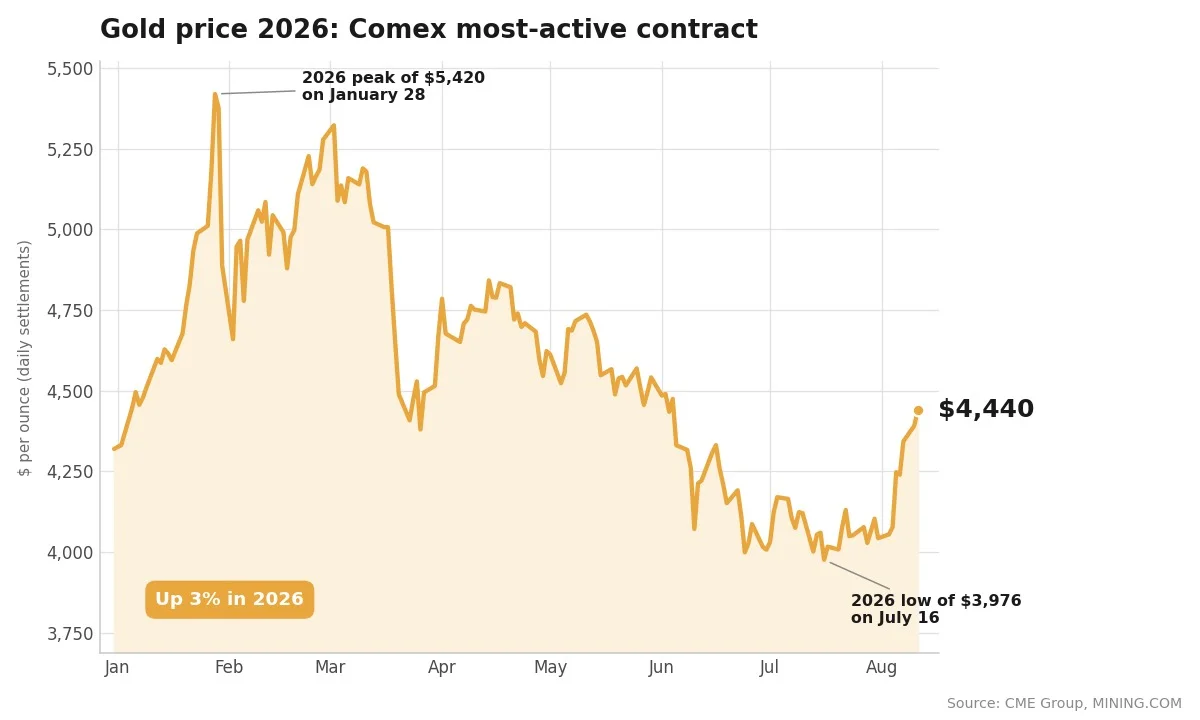
Gold prices surged to their highest level in nearly two months on Tuesday, reaching $4,495.00 per ounce on the Comex exchange. This increase, marking a 1.7% rise, was influenced by optimism surrounding a potential reopening of the Strait of Hormuz. However, the rally faced pressure as oil prices rebounded, leading to a midday decline to around $4,440.00, representing a 0.5% gain.
Market Dynamics Surrounding Gold Prices
The surge in gold prices comes against a backdrop of ongoing geopolitical tensions, particularly in the Middle East where the Strait of Hormuz plays a pivotal role in global oil trade. The Strait is one of the world's most crucial maritime chokepoints, and any signs of easing tensions can lead to heightened optimism in the market. This environment is often conducive to gold as a safe-haven asset, leading investors to turn to gold in times of uncertainty.
That said, the brief rally in gold was met with resistance. Oil prices, which directly impact inflation and monetary policy, saw a rebound that pressured gold. As oil traded above $83 per barrel and Brent crude approached $89, the interplay between these commodities highlighted the complex dynamics in energy markets and their impact on precious metals. Inflationary pressures stemming from rising oil prices can diminish gold’s appeal, as higher rates often lead to decreased investment in gold.
Fluctuations in Spot Gold and the Broader Market
Spot gold prices remained volatile, fluctuating around $4,395. After a brief period of gains, they settled after experiencing an increase of up to 1%. This recovery follows a concerning downturn below the $4,000 threshold, which caught the attention of investors looking for signals amid mixed economic indicators. The contraction in U.S. jobs noted last week indicated potential weakness in the economy, causing uncertainty, which typically drives investors to safer assets. On the flip side, central bank interventions have also been a significant factor. With numerous central banks globally ramping up their gold purchases, market dynamics may be shifting toward a more bullish outlook, albeit cautiously.
Silver and Other Precious Metals Under Pressure
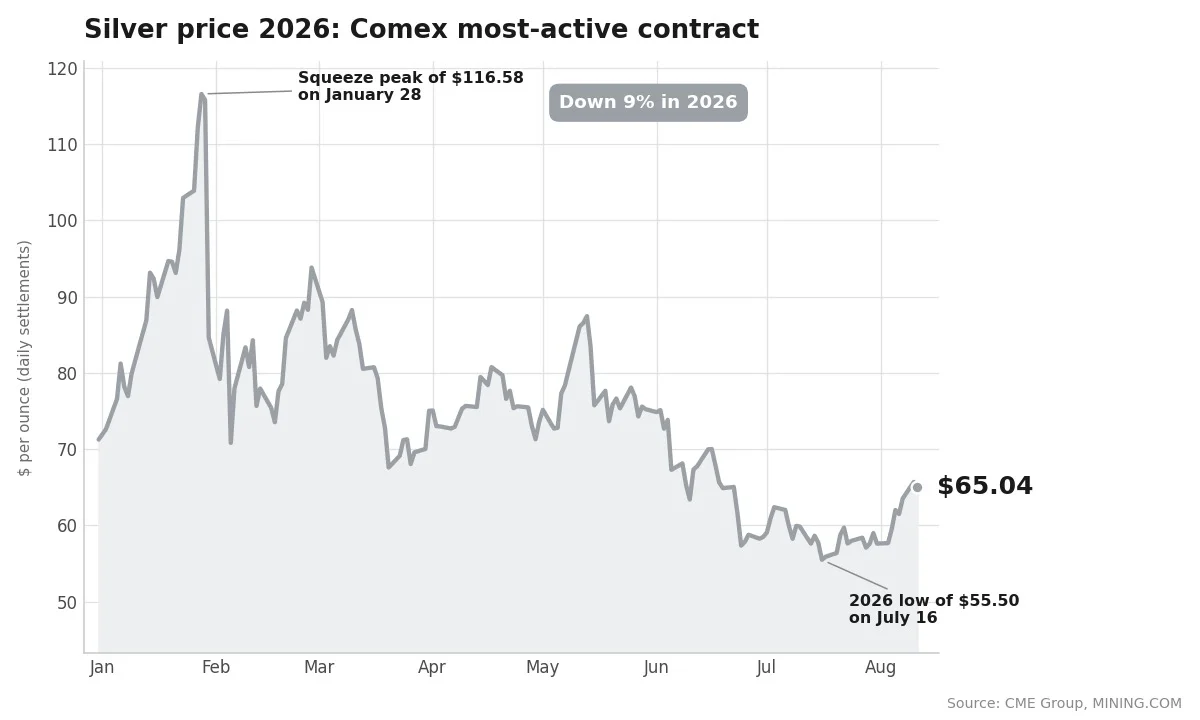
Silver also saw volatility during this period, peaking at $66.685 per ounce before settling at $65.035, marking a 0.4% drop. This significant fluctuation isn’t surprising given silver’s historical correlation with gold. However, the persistent 9% drop in the spot silver market this year underscores ongoing challenges. Supply constraints are expected to create a deficit, yet the price recovery has stalled — which can be attributed to broader market conditions and potential shifts in investor sentiment.
Meanwhile, platinum's stability amidst these turbulent times contrasts with palladium, which dipped by 0.9%. Each of these metals behaves differently under varying economic pressures. Platinum is typically seen as an industrial metal, while palladium has faced its headwinds as auto manufacturers adapt technologies away from internal combustion engines toward electric vehicles. This points to how market factors beyond immediate trading can influence price trajectories — it’s all interconnected.
The Federal Reserve and Its Impact on Gold Prices
Emerging market developments indicate that potential easing of tensions in the energy sector could influence Federal Reserve decisions regarding interest rate hikes. As central banks weigh the implications of rising energy costs, you'll see shifts not only in monetary policy but also in commodity pricing. Gold's price is particularly sensitive to interest rate changes. Higher interest rates increase the opportunity cost of holding non-yielding assets like gold, pressuring its price. Thus, veterans of the market are watching every move closely.
Analysts suggest that gold must hold levels between $4,360 and $4,370 to maintain its upward trajectory. The assessment from experts, including Ole Hansen, commodity strategy head at Saxo Bank, emphasizes the importance of overcoming resistance levels. Long-term traders are eyeing a rebound above the 200-day moving average as a signal for renewed engagement. This vigilance among traders informs not only market strategy but also the underlying sentiment about the economy’s trajectory.
Mining Sector Dynamics
Miners Experience Mixed Performance
Among major mining stocks, performance was varied. Agnico Eagle led gains with a 1.2% increase, but there were mixed signals elsewhere. Newmont recorded a slight decline of 0.3%, as Barrick Gold experienced a 0.5% drop after recent corporate news that may have unsettled investors. Coeur Mining edged up by about 0.7%. Such mixed results reflect investor caution amidst fluctuating commodity prices — a reality the mining sector must contend with routinely.
Investors are aware that the mining sector's fortunes can reflect broader economic trends. The ongoing cautious sentiment is informed by factors that include global demand for gold, operational costs, and geopolitical factors impacting supply chains. As it stands, gold has gained about 1% since the start of 2026 but still trails roughly 20% lower than pre-war levels established earlier this year. This stark difference reveals how external factors can shape pricing even when market fundamentals might suggest a rebound.
Implications for the Future
What this means for you, whether you're an investor, a trader, or simply keeping an eye on the market, is that gold prices are still tightly bound to geopolitical events and central bank policies. The interaction between oil prices and gold is something that won't fade away anytime soon; the market remains fragile. As conditions change, expect to see ongoing fluctuations and perhaps more cautious moves from investors.
(and this is the part most people overlook) The interplay of these various factors can create unexpected shifts in sentiment. The idea of a new equilibrium is contingent not just on gold's behavior but also on broader economic signals. By remaining vigilant and informed, stakeholders can navigate the intricacies of these markets more effectively.
(With files from Bloomberg and Reuters)
Discussion
Sign in to join the discussion.