As wildfires rage across the West, brokers must guide clients on immediate claims actions and the importance of reviewing coverage to prevent underinsurance.
Current Wildfire Conditions
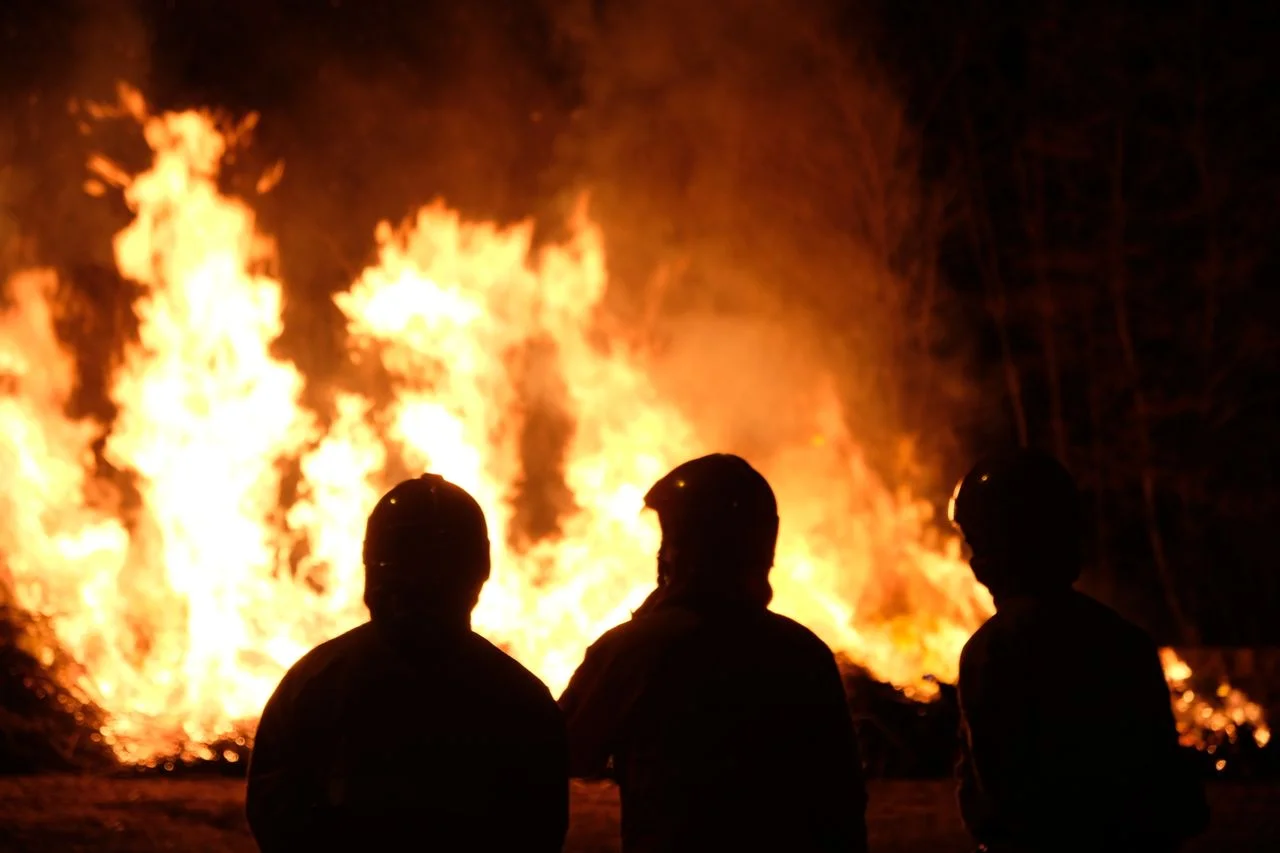
Firefighters are currently engaged with 98 large uncontained wildfires across several Western states, including California, Idaho, Montana, Nevada, Oregon, and Utah. The National Preparedness Level has hit 5, a marked indicator of the intensity and urgency of the situation. This level classification illustrates not just the scale of the fires, but the resources being mobilized; local, state, and federal agencies are pooling their capacities to combat the infernos. The frequency of such fires has increased alarmingly over the past few years, indicating broader environmental factors at play, such as climate change and mismanaged forest land.
Immediate Steps for Affected Clients
If you're working in this space, it's critical that clients experiencing damage or loss contact their insurance provider as soon as it’s safe to do so. Karen Collins, vice president of property and environment at the American Property Casualty Insurance Association (APCIA), emphasizes that initiating the claims process promptly is key: "Wildfire survivors are facing extraordinarily difficult circumstances, and insurers are committed to helping policyholders recover and rebuild." Yet, one must wonder how efficiently these claims will be handled, given the increasing volume of claims that insurance companies face during such natural disasters.
Moreover, clients need to keep receipts for emergency expenditures, like temporary housing and meals, which are essential in the recovery process. Many homeowner and renter policies feature Additional Living Expenses (ALE) coverage that can reimburse these urgent costs while clients rebuild. This financial safety net is vital for families caught in the aftermath of destruction. Starting to document personal property losses immediately is another critical step. The more detailed these records are, the easier it will be for clients to establish the full extent of their losses. Photos and itemized lists will aid in a smoother claims process, making it a practical approach amidst the chaos of recovery.
Proactive Coverage Reviews for Unaffected Clients
For those not yet affected by the wildfires, brokers should initiate proactive discussions surrounding policy coverage. The cost to rebuild homes has surged significantly since 2020—rising by about 49%—and this raises alarms about clients being underinsured. Brokers need to assist clients in thoroughly reviewing their existing policy limits and deductibles. Maintaining an up-to-date home inventory, including photographs and receipts, is absolutely essential. Clients often underestimate the value of their possessions, making this inventory a non-negotiable asset during claims proceedings.
Here's the thing: prior to this wildfire season, coverage options for high-risk areas were already constrained, with many carriers pulling out of these markets entirely. This fallout has left some homeowners in a challenging position, struggling to secure standard coverage. Brokers working with clients in wildfire-prone regions must act promptly, rather than biding time until a disaster strikes. Regular coverage reviews are not just a good practice; they can be the difference between adequate recovery and facing overwhelming financial burdens after a wildfire.
Coverage Considerations for Agricultural Clients
The ongoing Big Grass Fire, which has already burned over 553,000 acres in southwestern Idaho and southeastern Oregon, poses specific challenges for agricultural clients, particularly those with livestock. Many general insurance brokers may not be well-versed in the nuances of coverage when livestock perish due to wildfires. This gap in knowledge can lead to significant losses for farmers who rely heavily on their herds for income.
Livestock is typically insured separately from other farm assets through specialized products like livestock mortality coverage or policy endorsements. The coverage specifics can vary dramatically by both policy type and state regulations, making it challenging for farmers to navigate what protections are actually in place for their livestock. Lyn Elliott, APCIA's vice president for state government relations, advises affected farmers to inform their insurers immediately and document losses meticulously with photos and GPS markers. Accurate record-keeping is of utmost importance, particularly in the context of agricultural insurance. (And this is the part most people overlook.) Maintaining thorough records, including herd inventories and veterinary documentation, is critical not just for filing claims but for understanding the full scale of loss. Clients should also avoid removing carcasses before consulting with their adjusters about documentation requirements, as this could lead to complications in their claims process.
These losses echo the aftermath of the 2024 Smokehouse Creek Fire, which resulted in the tragic loss of between 12,000 and 15,000 cattle. This serves as a sobering reminder of the serious ramifications that wildfires have on agricultural sectors, potentially jeopardizing the livelihoods of farmers and regional economies reliant on agriculture.
Legislative Responses and Community Impact
In response to the escalating wildfire problem, APCIA is actively advocating for legislative measures aimed at improving forest management practices through the proposed Fix Our Forests Act. This initiative has already gained ground, having passed in the House and received committee approval in the Senate, but it still awaits a full Senate vote. The political will to address these issues is critical, as many communities across the West face growing threats from increasingly severe wildfires.
As Collins aptly states, "The growing frequency and severity of wildfires demand immediate action." The continuous impacts on families, businesses, and entire communities underscore the pressing need for prompt responses and preparedness. Legislative changes can have far-reaching effects on forest health, economic stability for affected communities, and overall risk mitigation. Yet, the success of these initiatives hinges not just on the political process but on public support and awareness as well.
Future Outlook: Implications and Considerations
The unfolding wildfire situation presents a multifaceted set of challenges that are likely to grow, particularly in light of ongoing climate trends. Expect pressure on insurers to quickly adapt their policies and coverage options, especially in areas where traditional underwriting criteria may no longer hold. Insurers must balance risk with their own financial models, leading to discussions about affordability and accessibility for homeowners.
Moreover, in the agricultural sector, the fate of many farmers could hinge on both improved insurance products and responsive legislation that addresses preventative measures against wildfires. If current patterns continue, there's potential for an increased demand for specialized insurance products tailored to high-risk agricultural operations—a shift that could transform the insurance landscape.
In sum, the need for informed dialogue between clients, brokers, and legislators has never been more apparent. Wildfires aren't simply isolated incidents; they represent a growing crisis that calls for systemic changes, innovative insurance approaches, and a community-focused response strategy. The stakes are high.
Discussion
Sign in to join the discussion.