Kinsale Insurance has filed a lawsuit to establish it owes no defense to a siding contractor involved in a significant water-damage claim against a townhome developer.
Kinsale Insurance Company Seeks Legal Clarity in a Dispute with a Siding Contractor
Kinsale Insurance Company is pursuing a legal declaration in Portland federal court regarding its liability to a siding contractor embroiled in a water-damage dispute tied to an Oregon townhome project. On August 7, 2026, the insurer filed a complaint aiming to clarify that it has no obligation to defend or indemnify Timbers Siding Contractors in what appears to be a contentious construction-defect case.
The Origins of the Dispute
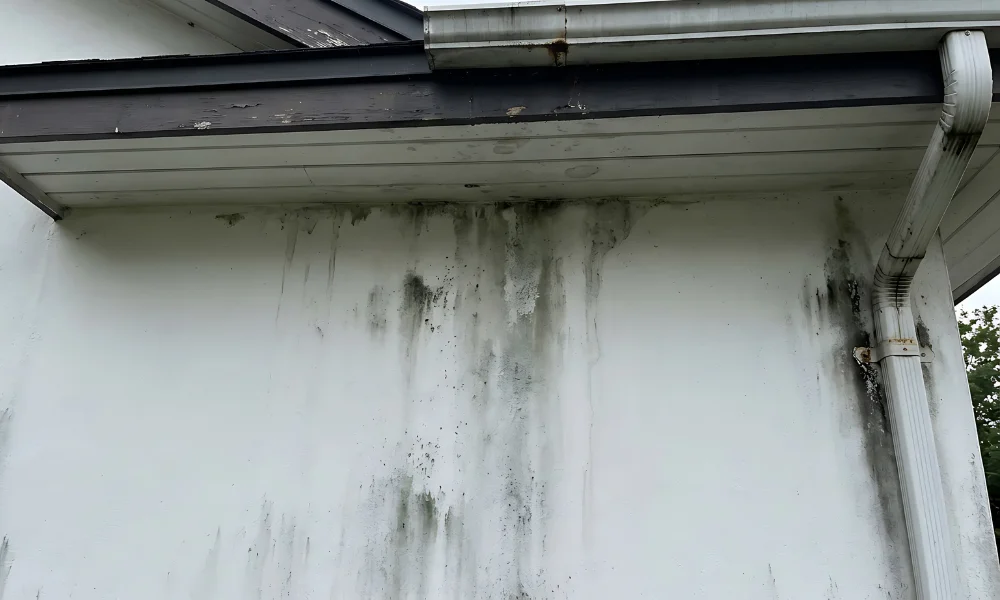
This issue dates back to claims made by the Ironcrest Estates Homeowners' Association, which filed suit against developer West Coast Home Solutions in December 2024. The association alleges that there are significant problems with a 31-unit townhome development constructed around 2020, specifically citing "actual repeated and/or continuous and substantial water intrusion." A building envelope specialist's examination revealed troubling evidence of consistent water issues. These findings raised serious concerns about whether the intrusion has compromised the structural integrity of the buildings, which could pose a risk not just to the property value but also to the homeowners’ safety. The homeowners' association is seeking damages amounting to $3 million.
The Role of West Coast Home Solutions
In response to the claims from the homeowners, West Coast brought its subcontractors into the fray by filing a third-party complaint in October 2025. This move reflects a common defense strategy in construction defect cases, where the main contractor attempts to shift liability onto subcontractors. West Coast contends that these subcontractors should bear responsibility for any defects stemming from their work. Their subcontracts reportedly include an indemnity clause stipulating that each contractor must defend and hold West Coast harmless against claims related to their contributions, which means they could be financially responsible for legal costs associated with these disputes.
Kinsale Insurance's Position
Kinsale then became involved in the ongoing legal battle, asserting that it issued a Commercial General Liability (CGL) policy to Timbers covering the period from August 5, 2019, to August 5, 2020. This policy carries a limit of $1 million per occurrence and a total of $2 million in aggregate for products and completed operations. Even though Kinsale is currently defending Timbers under a reservation of rights—meaning they’re defending but also keeping the option open to withdraw this defense—now the insurer seeks court confirmation to absolve itself from this obligation. The stakes are high, as legal costs can quickly escalate in such disputes.
Exclusion Clauses Under Scrutiny
The core of Kinsale's argument hinges on several exclusions that are familiar to professionals in coverage law. Notably, it cites the products-completed operations exclusion that disallows coverage for work done on "residential condominium or townhome projects." Kinsale argues that the 31-unit development squarely falls within this exclusion. The nuances of such clauses are critical; construction insurance often contains detailed exceptions that can significantly influence the outcome of a claim.
In its complaint, Kinsale references prior-work exclusions, standard "your work" and "your product" exclusions related to a contractor's own poor workmanship, and a fungi-or-bacteria exclusion. Thus, Kinsale is positioning itself to argue that the defects claimed by the homeowners may not qualify as "property damage" stemming from an "occurrence," which the policy defines as an accident or continuous exposure to harmful conditions. If Kinsale's interpretation prevails, it could set a precedent that allows insurers to deny claims based on similar exclusions in the future.
Analyzing the Implications of Kinsale’s Declaratory Judgment Efforts
Case analysts recognize that this scenario exemplifies how risk associated with residential construction defects can be excluded from a subcontractor's CGL policy. Kinsale’s actions for a declaratory judgment regarding its defense obligations, while still under the reservation of rights, underscore the complex interplay in determining liability in such construction defect cases. This dispute touches on broader themes about the responsibilities of contractors and the coverage limits of insurance policies in the construction industry.
If you’re working in this space, it's essential to grasp how these exclusions function and the impact they can have on financial risk. The implications are significant—you can't underestimate the possibility that similar cases could set benchmarks for what is deemed covered under similar policies in the future. This is more significant than it looks; a decision against Kinsale could lead to increased scrutiny on indemnity clauses and the responsibilities of subcontractors in construction contracts.
Awaiting Court Evaluation and Future Outlook
Kinsale's claims are currently awaiting court evaluation. Timbers and the other involved parties have yet to respond formally, and no definitive judicial ruling has been made on whether Kinsale must provide defense or indemnity in light of the pending construction-defect claims against West Coast and its subcontractors. With uncertainties looming, the outcome of this case could ripple through the construction insurance market, potentially affecting how future claims are handled.
(And this is the part most people overlook) The outcome could influence not just Kinsale but other insurers as well, as they assess their underwriting strategies and the risks they are willing to cover in construction projects. Ultimately, the impact of this case may extend beyond this particular dispute, reshaping the regulatory and operational frameworks within the construction and insurance industries.
Discussion
Sign in to join the discussion.