Navigating the Crowded MPL Insurance Market: Insights on Risk Management and Underwriting Dynamics
Published Aug 10, 2026Views 819By Richard Rodriguez
The MPL insurance market is increasingly crowded, requiring brokers to demonstrate effective risk management and build strong relationships with underwriters.
The Evolving Landscape of MPL Insurance
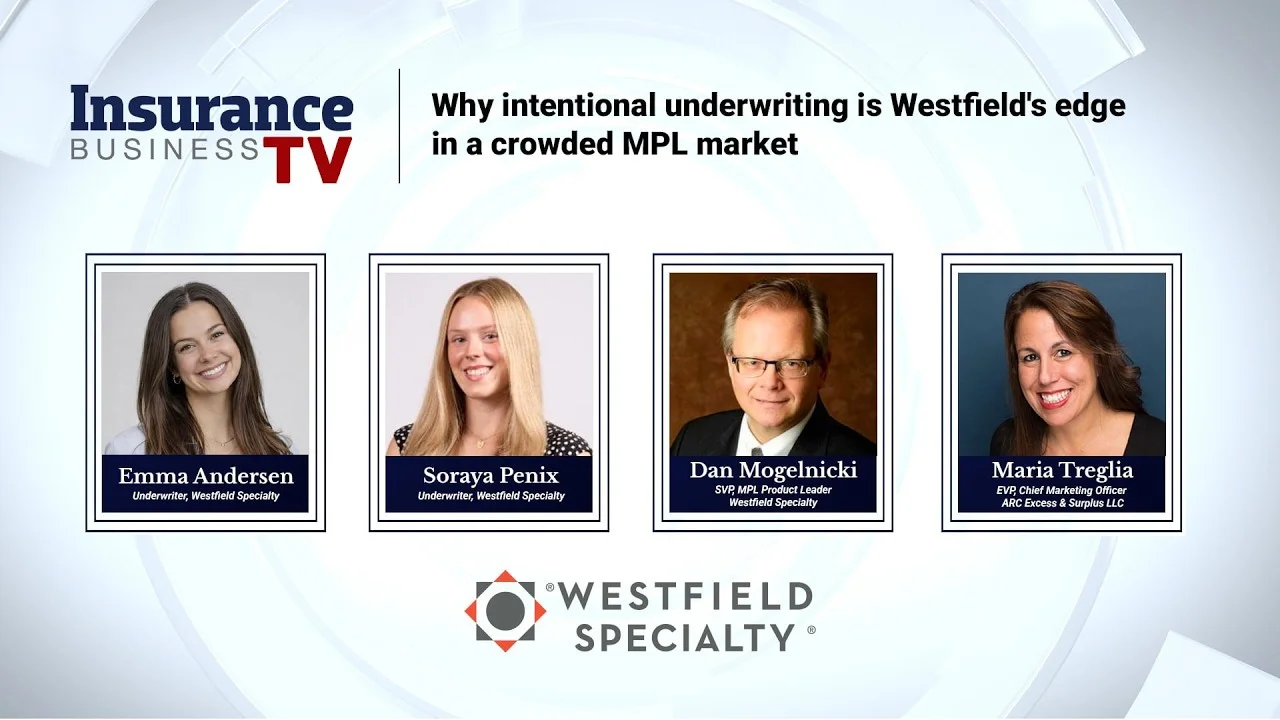
The Miscellaneous Professional Liability (MPL) segment is navigating a significantly crowded environment within the U.S. insurance market. For brokers, choosing the right capacity provider is no small task, especially when it comes to securing coverage for risks that fall into gray areas. Unlike traditional insurance lines, MPL involves coverage on a variety of professions and industries—which can lead to unpredictability. A recent roundtable hosted by Insurance Business sheds light on these pressing issues, featuring insights from industry figures such as Dan Mogelnicki, Soraya Penix, Emma Andersen from Westfield Specialty, and Maria Treglia from ARC Excess & Surplus.
Dan Mogelnicki kicked off the discussion, noting that Westfield Specialty has recently launched two new policy coverages that previously did not exist. This move illustrates the firm’s commitment to addressing unique market needs, particularly in an environment where businesses are continuously facing evolving risks. However, it also raises a significant question: how can brokers trust that these coverages genuinely mitigate risk rather than just paper over potential liabilities? Treglia emphasized that without a solid claims support structure, policy offerings can feel more like mere formalities. To paraphrase her, if the claims team isn’t effective, the policy may just be a “piece of paper.” This sentiment resonates with many in the industry, who often find themselves fishing in a sea of promises with little assurance of actual protection when risks materialize.
Understanding Underwriting Dynamics
The dialogue spotlighted the critical role underwriting plays in navigating gray-area risks. Soraya Penix expressed her enthusiasm for these challenging accounts, suggesting that they are not just daunting but also hold potential for significant innovation in MPL insurance. Brokers are tasked with demonstrating to underwriters that they possess a clear understanding of the risks involved and how they’re managed. The narrative surrounding each account is key; underwriters like Penix want to hear about the business model and management approach to risk. If brokers can connect these dots, they stand a better chance of finding tailored solutions.
Yet here's the thing: relying solely on historical performance isn’t a sufficient strategy. Emma Andersen pointed out a common misconception: a clean loss record doesn’t automatically translate into a sound strategy. While brokers often present accounts with pristine histories, it’s essential for them to clearly articulate how firms plan to respond to emerging risks and challenges. From Andersen's perspective, underwriting isn't just about looking backward; it's also about assessing future trajectories. Companies that are strategically aware of their vulnerabilities and actively manage them are seen as more desirable risks. If you're working in this space, recognizing that both retrospective and forward-looking assessments will strengthen your pitch is essential.
And this is the part most people overlook: the emphasis on narrative as a tool to attract underwriters. A broker who effectively communicates how a client handles risk isn't just selling a policy—they're establishing a partnership that will, ideally, prove beneficial for both parties as the landscape evolves.
Building Strong Broker Relationships
For brokers, having a responsive and proactive underwriter is paramount. Treglia underscored that communication and collaboration are fundamental to successful partnerships. A strong relationship isn't just about speed; it's about open dialogue and creativity in finding solutions that work for all parties involved. The MPL space often contains complex risks that don’t fit neatly into established categories. Therefore, underwriters must be flexible and innovative, and brokers need to actively engage in that creative process.
As Westfield Specialty's MPL book matures, both underwriters and brokers find themselves revisiting assumptions about risk and growth. The industry is not static, and how organizations manage expansion and governance can introduce new complexities that could potentially undermine previously solid standing. Penix's observations about the importance of management oversight highlight this shifting focus. Rather than viewing growth as inherently beneficial, underwriters now need to reflect on how it may impact processes and quality control. With tight underwriting guidelines in place, this kind of introspection can safeguard against unforeseen exposures created by rapid expansion.
This discussion crystallizes the pressing need for brokers to partner with underwriters who understand the intricacies of the MPL market and are equipped to adapt to its demands. As both sides work to establish a collaboration that fosters creativity and responsiveness, they can enhance their offerings and ensure long-term success in a challenging market.
Implications and Future Outlook
What does this mean for the future landscape of MPL insurance? The urgency for brokers to familiarize themselves with the subtleties of their clients' operations will only continue to grow. A deep, nuanced understanding of both risk exposure and the specific nature of MPL products will not just lead to better offerings for clients, but it will also enhance a broker's standing with underwriters.
In an atmosphere where differentiation is vital, the ability to foster relationships filled with trust and expertise may become a broker's most valuable asset. Additionally, as risks evolve—be it through technological advancements or changes in regulatory landscapes—underwriters will increasingly require innovative solutions that respond to emerging threats. If insurers can find a way to marry these solutions with solid claims support, the market could very well witness a new wave of MPL products that significantly enhance the levels of coverage provided.
With both brokers and underwriters in a continuous learning mode, this dialogue highlights the necessity for adaptability. Navigating the MPL sector isn't merely about selling insurance; it demands a clear strategy, open lines of communication, and a proactive response to change. How well both parties meet these challenges will determine not just their success, but the viability of the MPL market as a whole.
Discussion
Sign in to join the discussion.